Magnesium Oxide (MGO) flooring board is gaining traction in both residential and commercial construction due to its superior durability, fire resistance, and moisture tolerance. Unlike traditional gypsum or cement boards, MGO flooring board is engineered with magnesium oxide, magnesium chloride, and reinforcing fibers, resulting in a substrate that stands up to heavy foot traffic, humidity, and thermal movement. Understanding the material properties and real-world benefits is essential for builders, installers, and homeowners who want a long‑lasting, high‑performance flooring solution.
One of the most sought‑after qualities of MGO flooring board is its moisture resistance. It does not deteriorate when exposed to damp conditions, making it ideal for kitchens, bathrooms, and basements. Additionally, MGO boards exhibit strong fire‑resistant characteristics and do not emit harmful volatile organic compounds (VOCs), which contributes to healthier indoor air quality.
Preparing the Subfloor for MGO Flooring Board Installation
Proper subfloor preparation is critical for ensuring that your MGO flooring board performs as designed. Failure to prepare the subfloor correctly can lead to uneven surfaces, squeaks, delamination, and premature wear. Before installation, evaluate the existing floor surface and repair any issues.
Checking and Leveling the Subfloor
Start by using a long straightedge or laser level to identify dips, peaks, or warps. MGO flooring boards require a flat substrate within 3/16" over a 10‑foot span. If the subfloor is plywood or oriented strand board (OSB), ensure panels are securely fastened and free of squeaks. For concrete subfloors, repair cracks, spalls, or uneven areas using a self‑leveling compound suitable for high‑performance flooring systems.
Moisture Testing and Control
Even though MGO flooring is moisture resistant, the underlying substrate must be dry and stable prior to installation. Conduct a moisture test (e.g., calcium chloride or in‑situ relative humidity probes) to confirm moisture levels are within acceptable limits. For concrete, the recommended maximum moisture emission rate is typically 3 lbs/1000 sq ft/24 hrs, but always follow the product manufacturer’s specifications.
Step‑by‑Step Installation Guide for MGO Flooring Boards
A systematic installation approach helps prevent gaps, warping, and future repair work. The following guide outlines fundamental steps for a successful installation.
Layout Planning and Expansion Gaps
Begin by planning the layout of the boards. It’s best practice to start along the longest straight wall in the room and work your way outward. Leave a perimeter expansion space of at least 1/4" around the walls and fixed objects to accommodate natural board movement. These gaps are essential in spaces with temperature and humidity fluctuations.
Fastening and Joint Treatment
Use screws or nails recommended by the MGO board manufacturer and place fasteners at consistent intervals (typically every 8" along edges and 12" in the field). Countersink fasteners slightly below the board surface without breaking the paper face. After fastening, treat the joints with an appropriate joint compound and fiberglass tape to create a smooth, seamless underlayment for the final floor covering.
Comparative Overview: MGO Flooring Board vs Traditional Substrates
Understanding how MGO flooring board compares with traditional substrates like plywood and cement board helps decision‑makers choose the right product for specific applications.
| Feature |
MGO Flooring Board |
Plywood |
Cement Board |
| Moisture Resistance |
High |
Low |
Moderate |
| Fire Resistance |
Excellent |
Poor |
Good |
| Dimensional Stability |
Superior |
Moderate |
Moderate |
| Surface Smoothness |
Very Smooth |
Variable |
Rough |
Best Flooring Coverings to Use Over MGO Boards
MGO flooring boards serve as a high‑quality underlayment for a range of floor coverings. Choosing the right finish floor depends on the room’s use and moisture conditions.
- Luxury Vinyl Planks (LVP): Excellent choice for moisture‑prone areas due to flexibility and surface compatibility.
- Ceramic or Porcelain Tile: Ideal for bathrooms or kitchens when proper thin‑set and grout are used.
- Engineered Hardwood: Provides a stable, attractive finish while reducing the risk of cupping or splitting.
- Carpet: Can be installed with a low‑profile pad to soften sound and enhance comfort.
Maintenance and Long‑Term Care for MGO Flooring Board Systems
Routine maintenance ensures that your floor system maintains structural integrity and looks great for years. Although MGO boards themselves are robust, the finish floor installed on top may require specific care instructions.
Cleaning and Daily Care
Clean the floor surface according to the manufacturer’s recommendations for the chosen finish covering. Use pH‑neutral cleaners for vinyl and tile, and avoid excessive water on wood surfaces. Regular sweeping and gentle mopping prevent grit from abrading the finish.
Addressing Moisture and Spills
In case of spills, wipe up immediately, especially on wood and laminate finishes. Although the MGO board substrate resists moisture, prolonged wetness on the finish floor can lead to surface damage or mold growth at seams.
Troubleshooting Common Issues with MGO Flooring Board
Even the best‑planned installations may encounter issues. Recognizing early warning signs allows timely repair and prevents extensive damage.
- Uneven Surfaces: Check for subfloor flatness and verify fastener spacing. Re‑level with compound if necessary.
- Board Cracking: Ensure correct fastener type and spacing. Overdriven screws can induce stress fractures.
- Delamination: Often caused by moisture under the board; confirm proper moisture mitigation and vapor barriers were installed.
By following these detailed guidelines for selecting, preparing, installing, and maintaining MGO flooring board systems, construction professionals and DIY homeowners can achieve a high‑performance floor that withstands daily use and environmental stresses. Prioritizing precision, material compatibility, and routine care contributes to a flooring system that lasts decades with minimal issues.



 English
 русский
 Español
 BMSC 517 New Sulfate MgO Board
 Multi-Support MgO Wall Sheathing Board
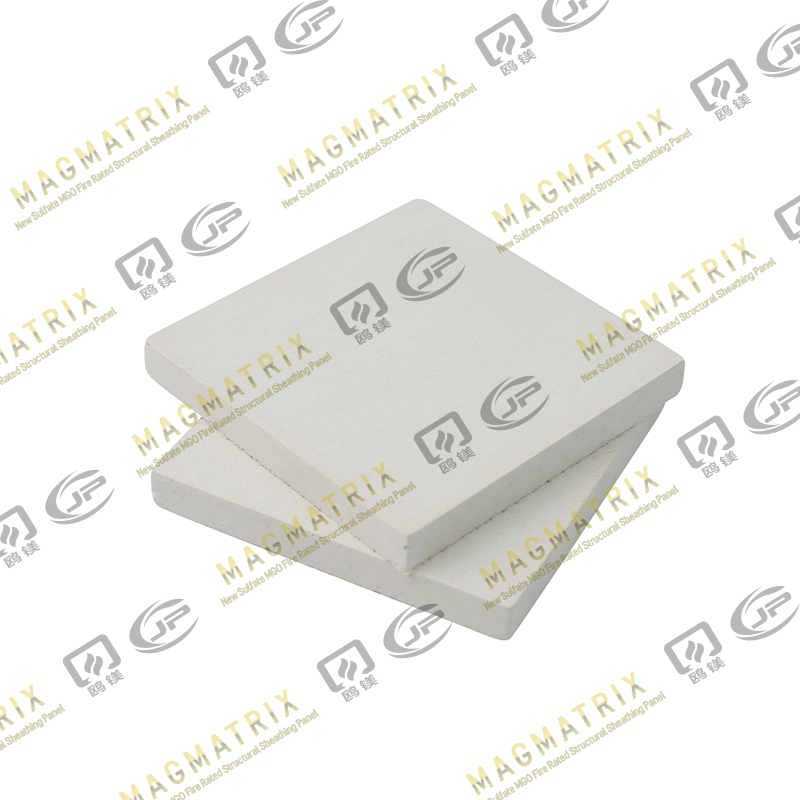 Perseverance MgO Wall Sheathing Board
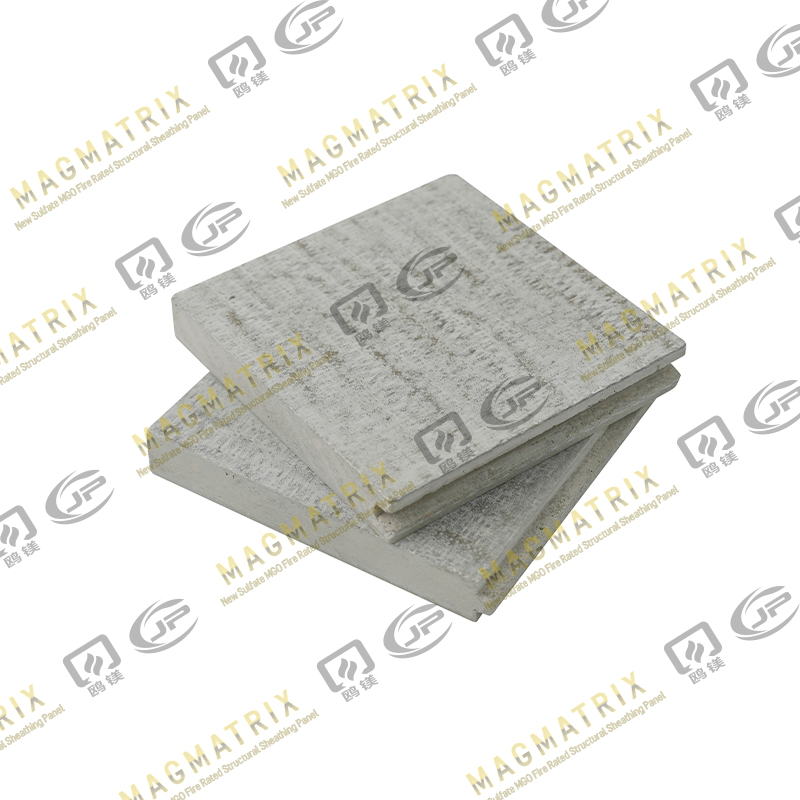 Multi-Support MgO Subfloor Sheathing Board
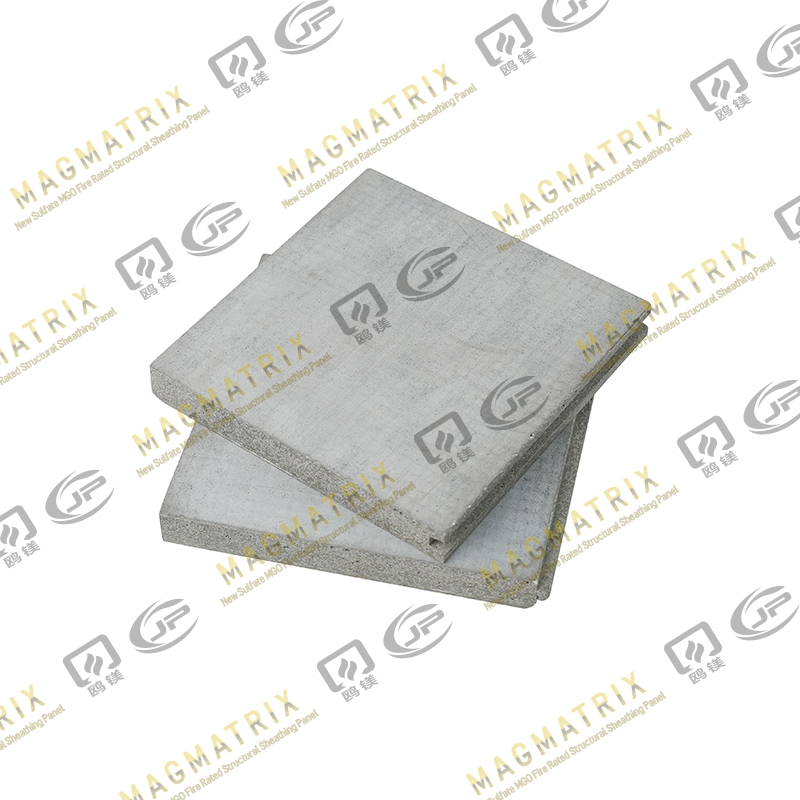 Perseverance MgO Subfloor Sheathing Board
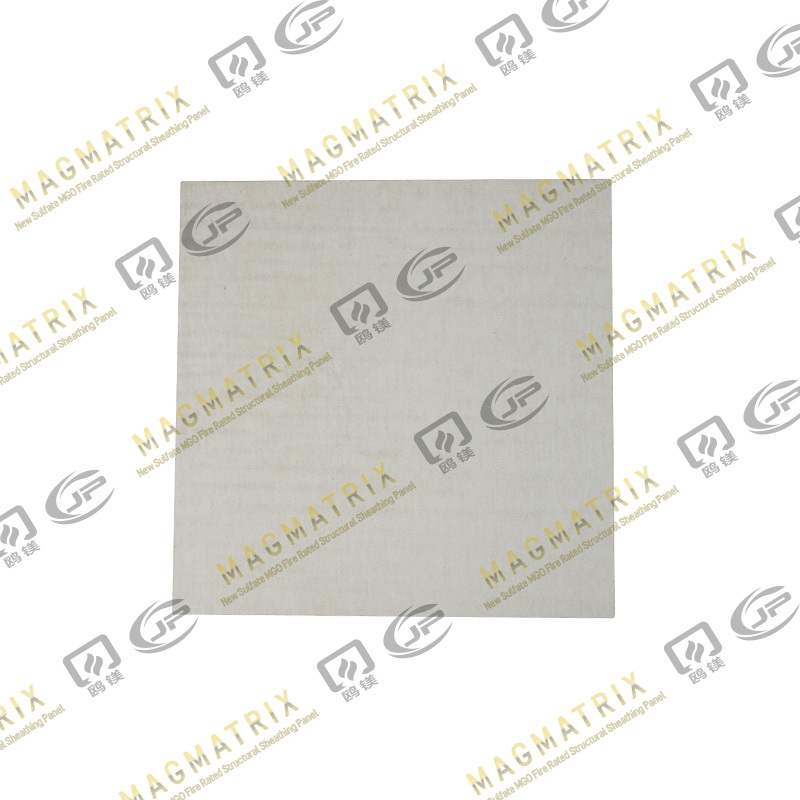 MagMatrix MgO Underlayment Panel/board