What Is MgO Board and Why It Matters in Construction
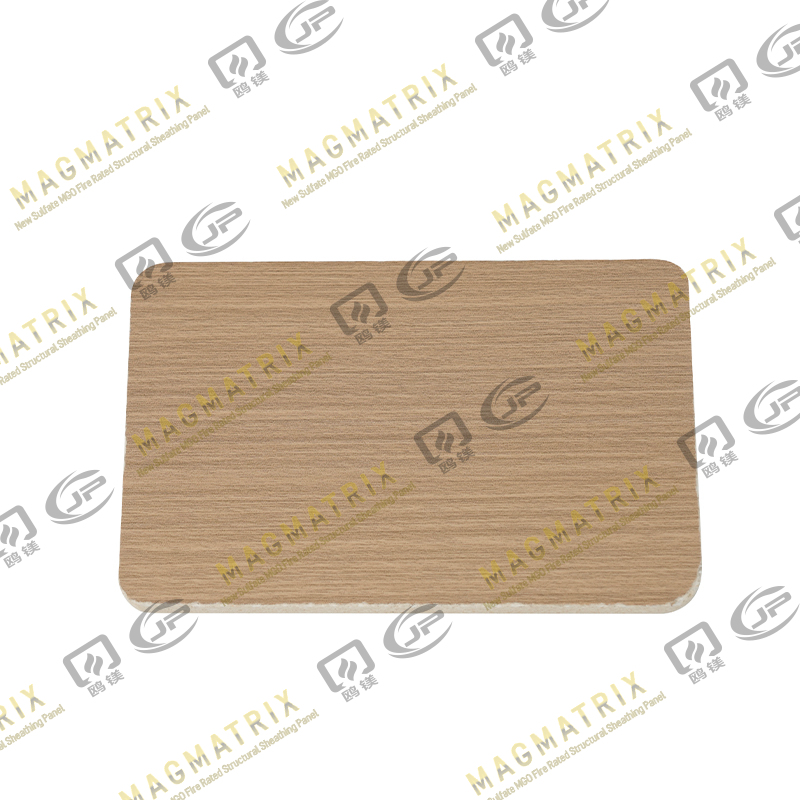
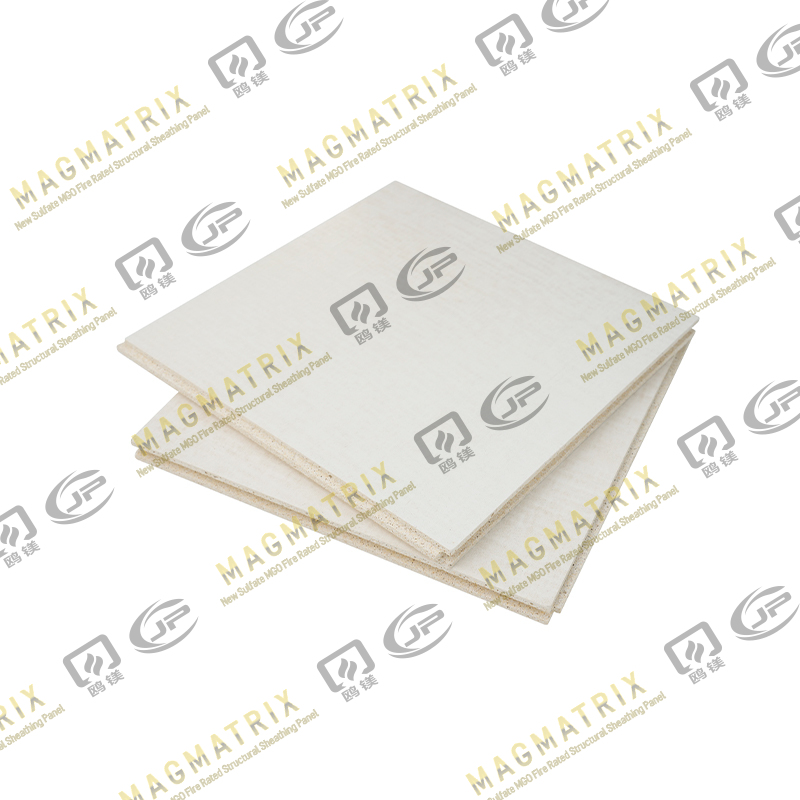
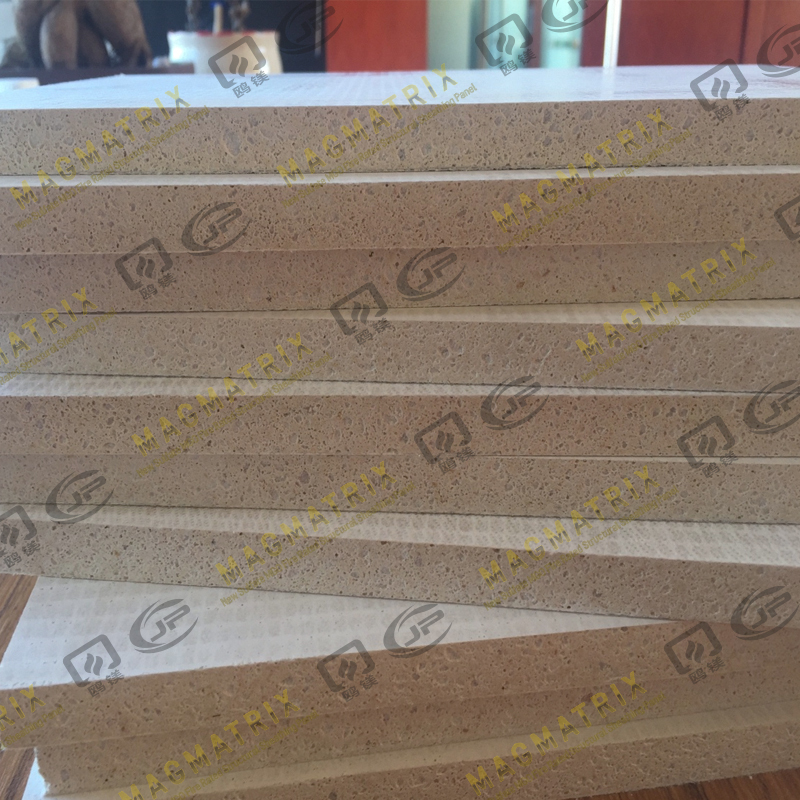
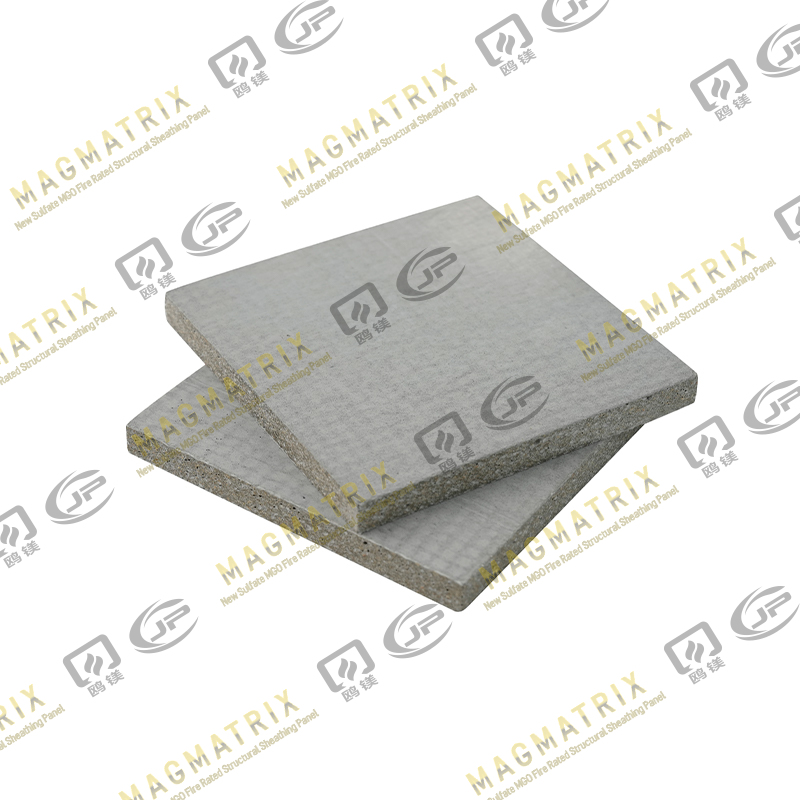
MgO Board, short for magnesium oxide board, is a high‑performance building panel made from magnesium oxide, magnesium chloride, and reinforcing fibers. It’s widely used for wall sheathing, ceilings, flooring underlayment, fire‑resistant assemblies, and exterior cladding. Unlike traditional drywall or cement board, MgO Board delivers a combination of fire resistance, mold resistance, moisture tolerance, and structural strength. Understanding exactly what MgO Board is made of, its unique properties, and typical industry use cases is essential for any builder, architect, or DIY homeowner looking for a robust alternative to gypsum or cement products.
Core Benefits of MgO Board in Modern Builds
MgO Board is increasingly being specified in both residential and commercial construction because it checks multiple performance boxes that traditional boards do not. These benefits directly influence longevity, safety, and long‑term performance:
High Fire Resistance and Safety
One of the most valuable features of MgO Board is its inherent fire resistance. Independent testing has shown it can withstand prolonged heat exposure without releasing toxic smoke or losing structural integrity. This makes MgO Board a strong choice for fire‑rated wall assemblies, corridors, stairwells, and other areas where life safety and code compliance are critical. In many cases, MgO Board meets or exceeds ASTM E119 fire rating requirements when installed per manufacturer guidance.
Moisture Resistance, Mold & Mildew Prevention
Unlike gypsum drywall, which can rapidly deteriorate when exposed to water, MgO Board has low water absorption and excellent dimensional stability. This makes it ideal for high‑humidity environments like bathrooms, kitchens, basements, and laundry rooms. Effective moisture resistance also reduces the risk of mold and mildew growth — a major concern in many climates.
Thermal & Sound Insulation Benefits
While MgO Board alone doesn’t act as an independent insulation material, its density and composite structure can enhance sound dampening and thermal retention when paired with insulation batts or spray foam. In multi‑family housing or shared wall assemblies, MgO can contribute to higher STC (Sound Transmission Class) ratings.
Practical Installation Steps for MgO Board
Proper installation is key to achieving all performance benefits of MgO Board. Below is a clear walkthrough of the installation process — from substrate preparation to finishing.
Preparing the Substrate
Before installing MgO, ensure the framing or substrate is plumb, square, and free from debris. For interior walls, check that studs are spaced properly (typically 16” on center). For exterior applications, ensure the sheathing plane is flat. For floors, make certain subfloor is clean, dry, and without major deflection.
Cutting MgO Board Safely
- Mark cutting lines using a straightedge and pencil — highly accurate measurement prevents gaps.
- Use a circular saw with a carbide‑tipped blade designed for cementitious boards. A score‑and‑snap method can work for thinner panels but may cause edge chipping if not done correctly.
- Wear dust mask and eye protection — MgO dust can be irritating if inhaled or contact eyes.
Fastening and Spacing Requirements
Fasteners should be corrosion resistant (e.g., stainless steel or coated screws) and placed per manufacturer recommendations (usually every 8–12 inches on studs). Maintain proper panel spacing to allow for expansion and contraction, especially in exterior or moist applications. Use spacers or shims as needed, and avoid overtightening screws which can damage the board surface.
Joint Treatment and Finishing
After panels are secured, joints are typically taped and finished with a compatible MgO‑based compound. Avoid gypsum or generic drywall mud — these may not perform as intended and can compromise the board’s benefits. Sand smooth once dry, and then proceed with primer and paint or other finishes such as tile or veneer plaster.
Comparison: MgO Board vs Cement Board vs Drywall
Choosing the right panel product requires a comparison based on cost, performance, installation ease, and end‑use conditions. Below is a concise table summarizing key attributes:
| Property |
MgO Board |
Cement Board |
Drywall |
| Fire Resistance |
Excellent |
Good |
Poor |
| Moisture Resistance |
High |
High |
Low |
| Weight |
Medium |
Heavy |
Light |
| Cost |
Moderate |
Moderate‑High |
Low |
| Ease of Finishing |
Good |
Moderate |
Excellent |
Common Application Scenarios of MgO Board
MgO Board’s versatility lets it serve across a wide range of building applications. Below are detailed scenarios where MgO excels:
Fire‑Rated Wall and Ceiling Assemblies
In multi‑story residential, mixed‑use, or commercial buildings, fire separation walls are critical. MgO Board delivers consistent fire resistance with lower smoke emission and improved structural stability. Its performance makes it an excellent choice for corridors, stairwells, and utility chases.
Bathrooms, Kitchens, and Wet Areas
Because of its moisture tolerance and resistance to mold, MgO Board works well as a substrate for tile or waterproofing membranes in showers, tub surrounds, and wet rooms.
Exterior Soffits and Cladding Bases
MgO Board can be incorporated into exterior rain‑screen systems or used as backing for stucco and other cladding materials. Its dimensional stability minimizes cracking and warping compared to some traditional boards.
Troubleshooting and Best Practices
Even with a high‑performance product like MgO Board, common installation and performance issues can occur. Here are best practices to reduce risks and improve outcomes:
- Always follow manufacturer instructions for fastener type, spacing, and joint treatment.
- If working in high‑humidity climates, ensure proper vapor barriers and ventilation are in place.
- Avoid mixing MgO compounds with water stored in metal containers — use plastic to prevent chemical reactions.
- On exterior applications, pair MgO Board with appropriate weather‑resistant barriers and flashings.
Conclusion: Is MgO Board Right for Your Project?
MgO Board is a durable, fire‑resistant, and moisture‑tolerant building material well suited for modern construction needs. While it may have a higher upfront cost compared to drywall, its long‑term performance benefits often justify the investment — especially in fire‑rated walls, wet areas, and assemblies requiring robust resistance to humidity and mold. Proper installation, finishing, and adherence to building codes will maximize the value MgO Board brings to your build.



 English
 русский
 Español
 BMSC 517 New Sulfate MgO Board
 Multi-Support MgO Wall Sheathing Board
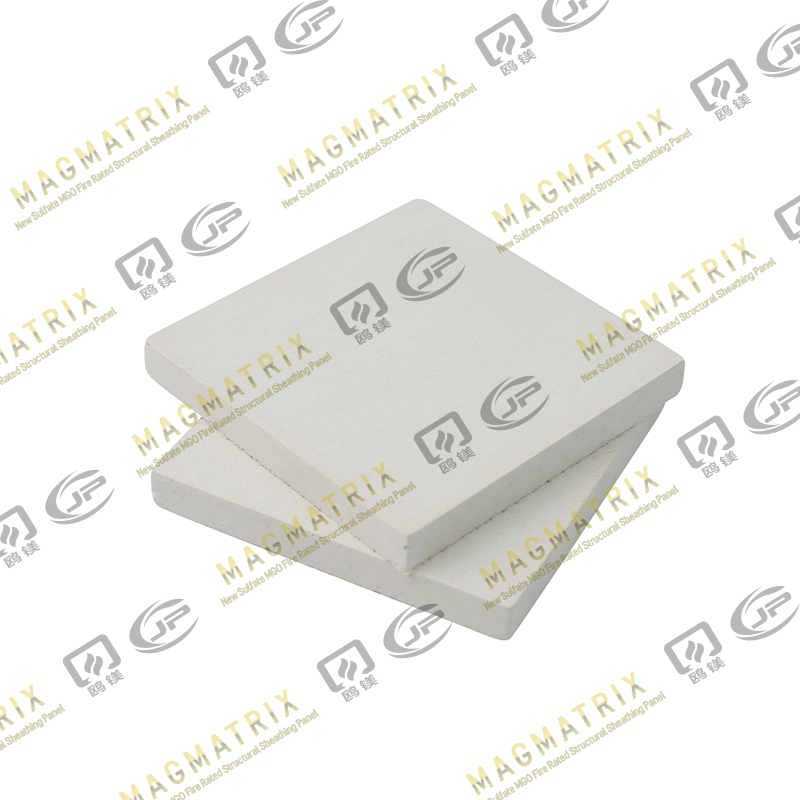 Perseverance MgO Wall Sheathing Board
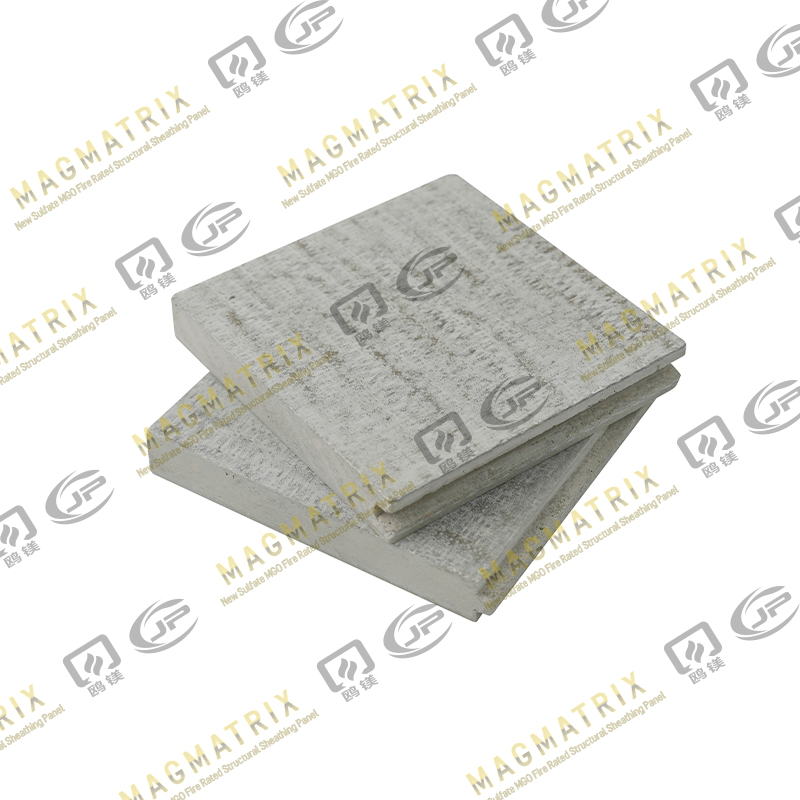 Multi-Support MgO Subfloor Sheathing Board
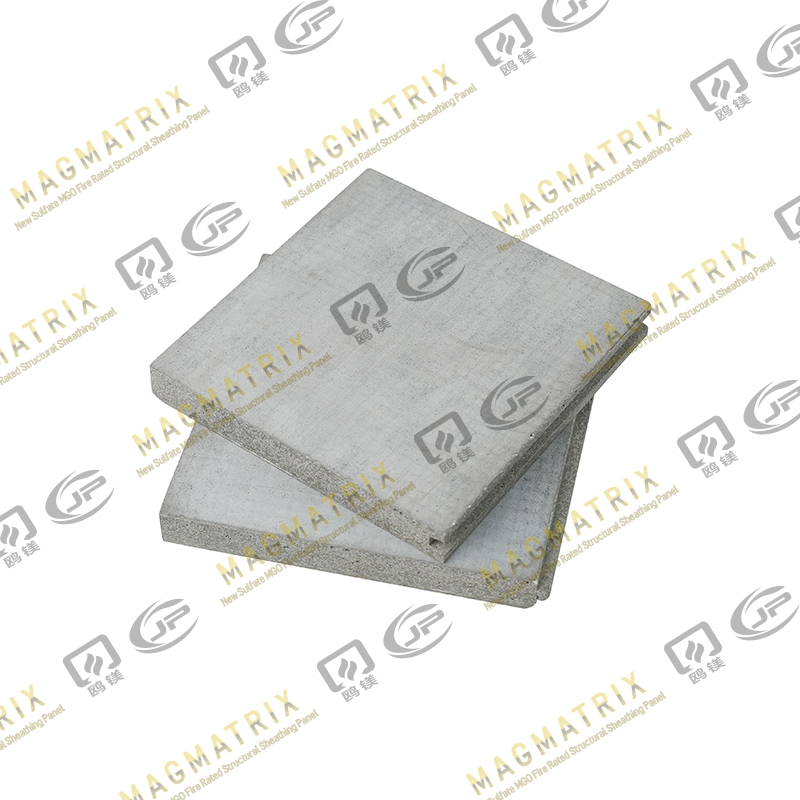 Perseverance MgO Subfloor Sheathing Board
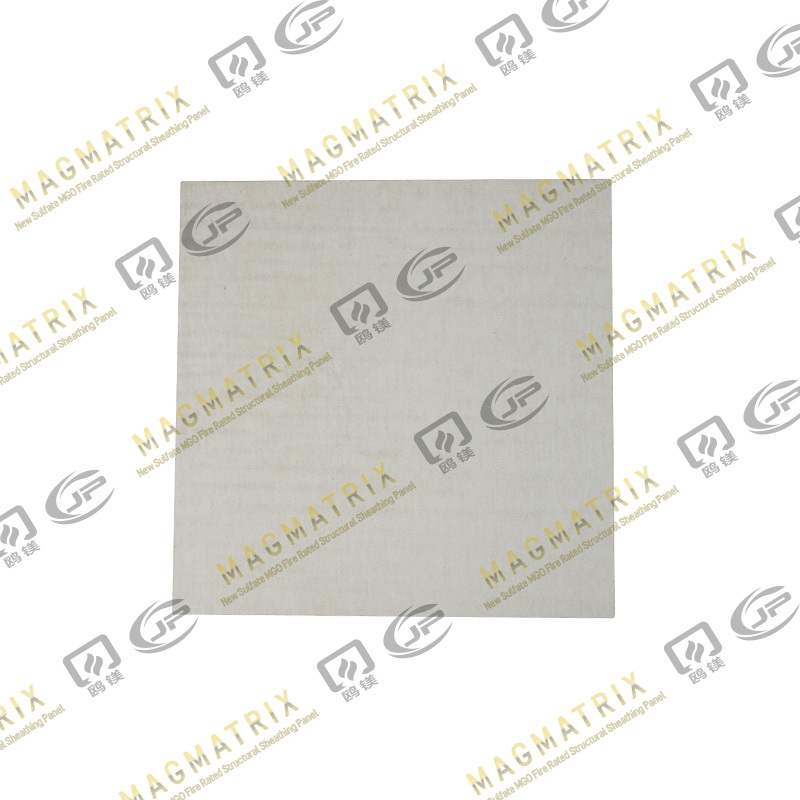 MagMatrix MgO Underlayment Panel/board