

 English
 русский
 Español
Understanding MgO Underlayment Panel for Wood Subfloors
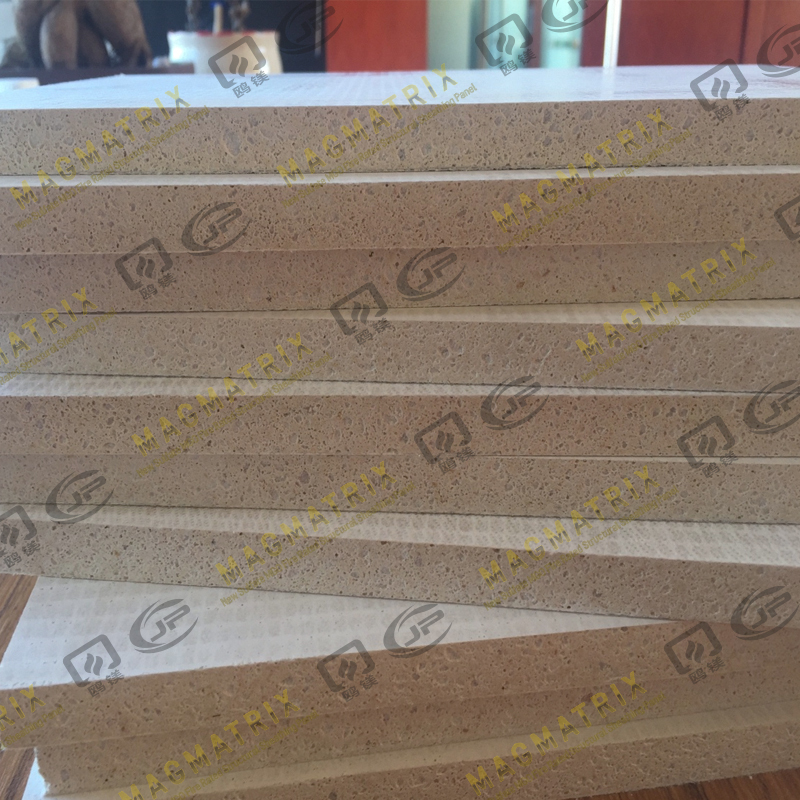
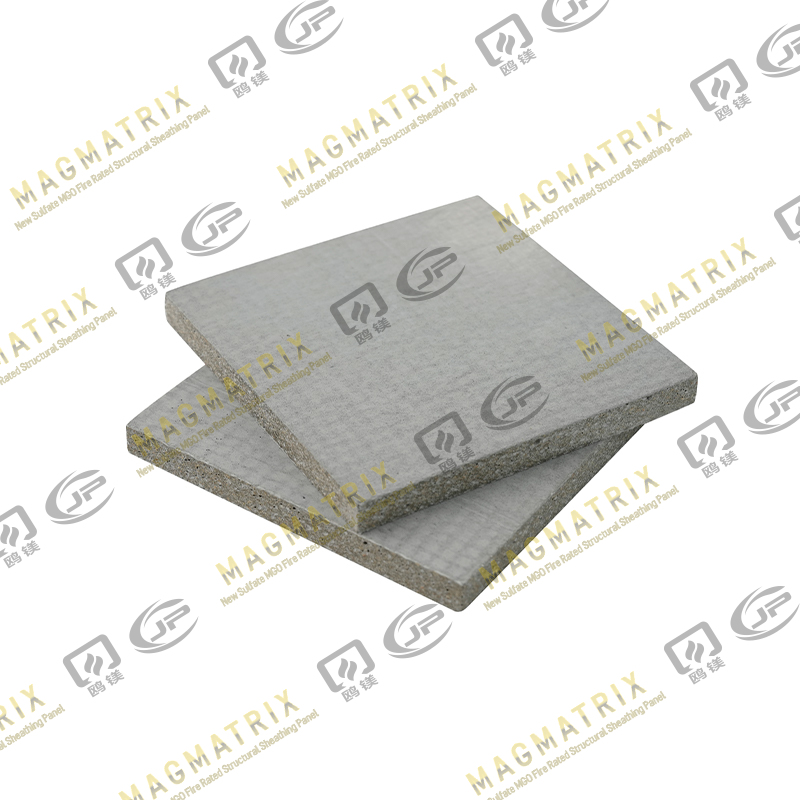
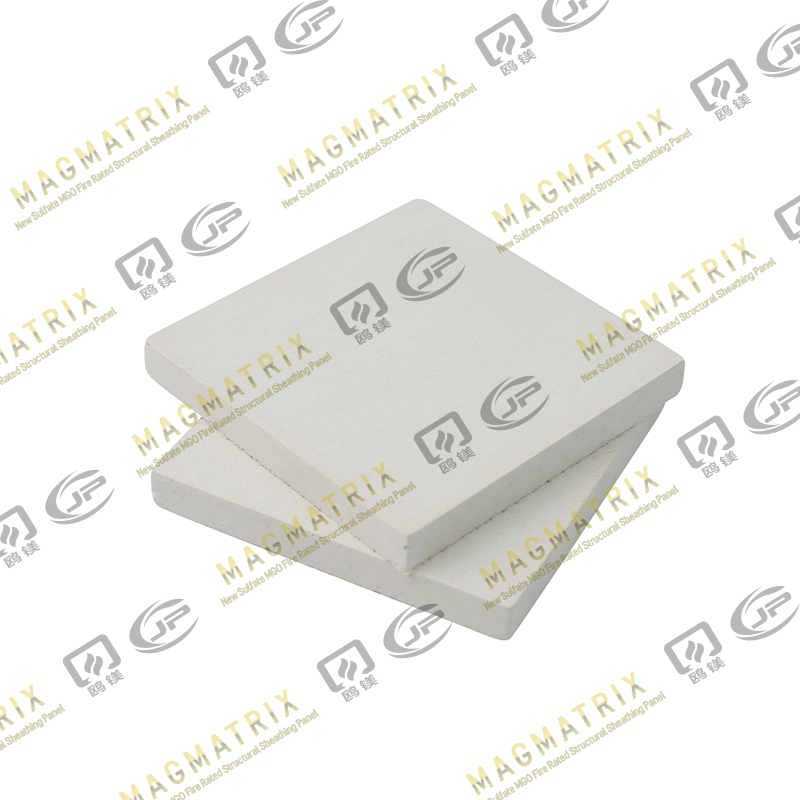
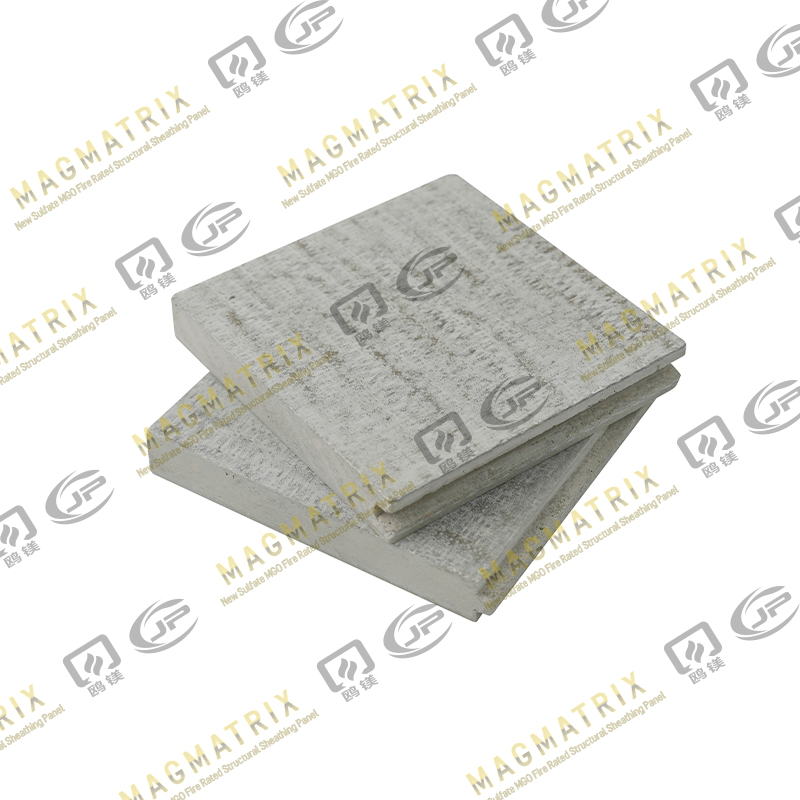
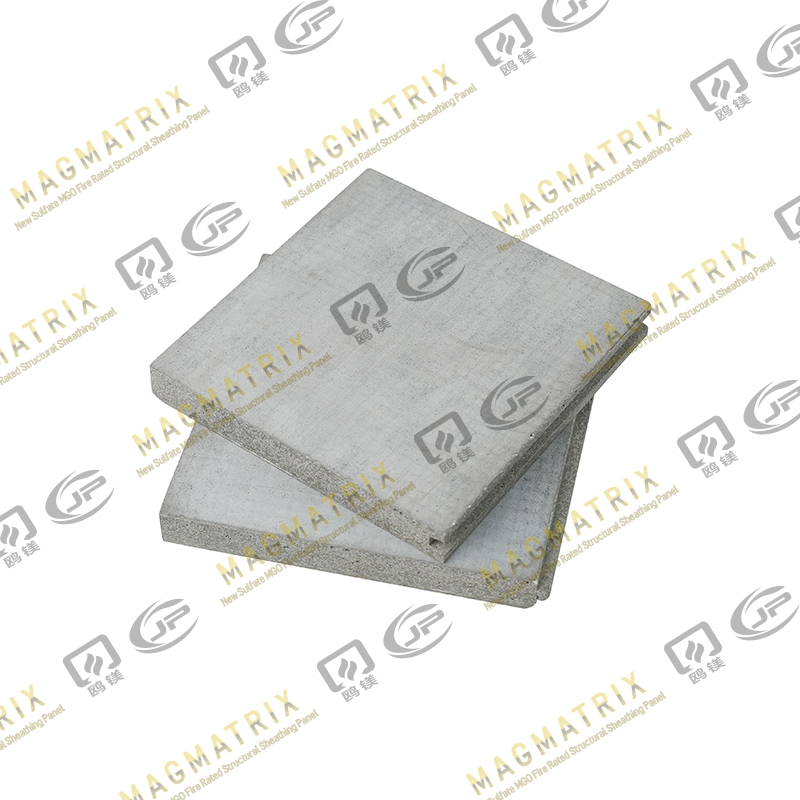
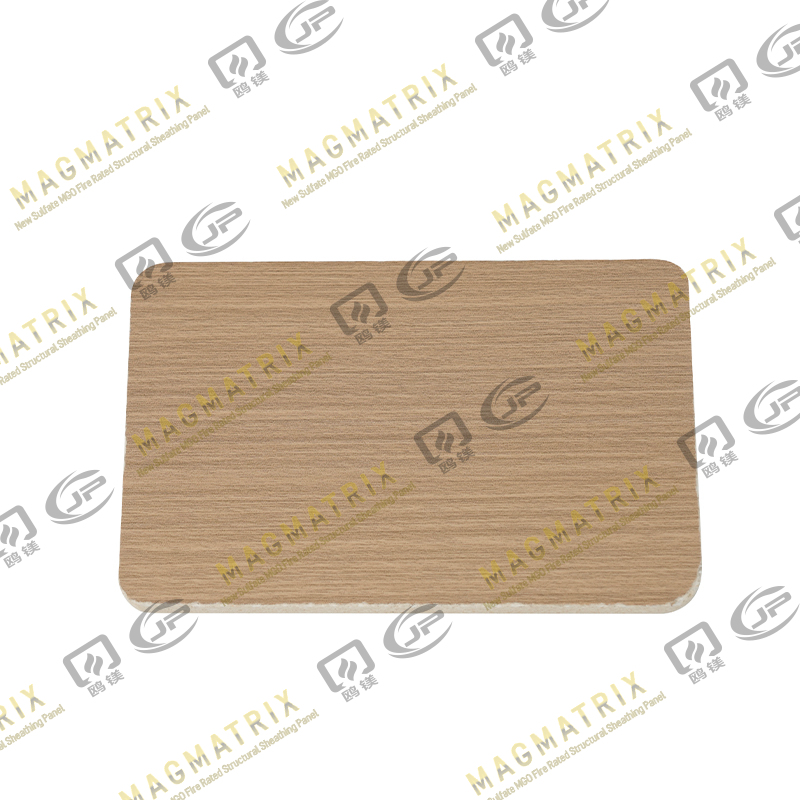
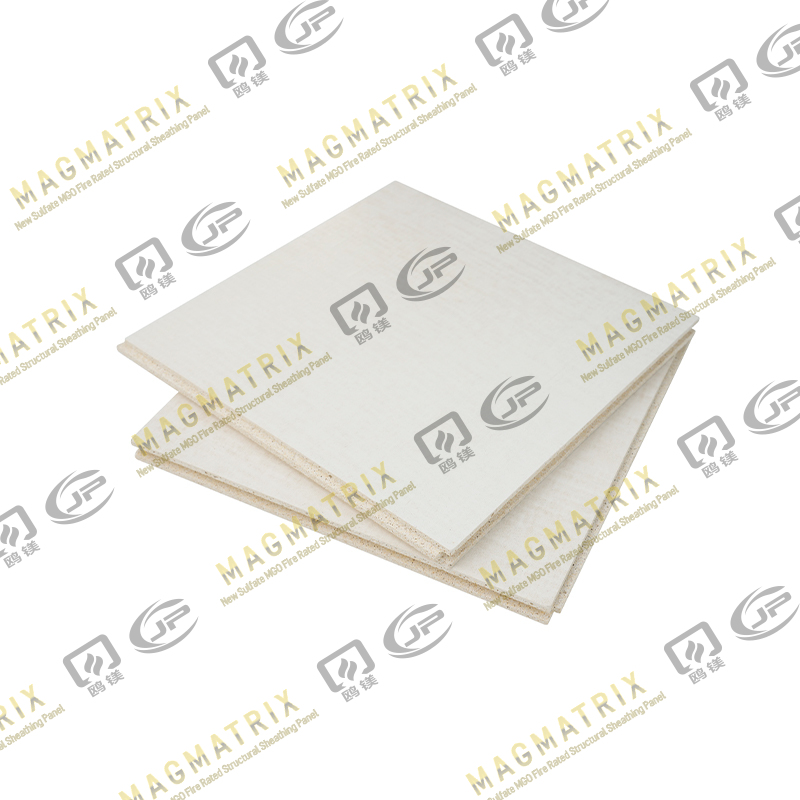
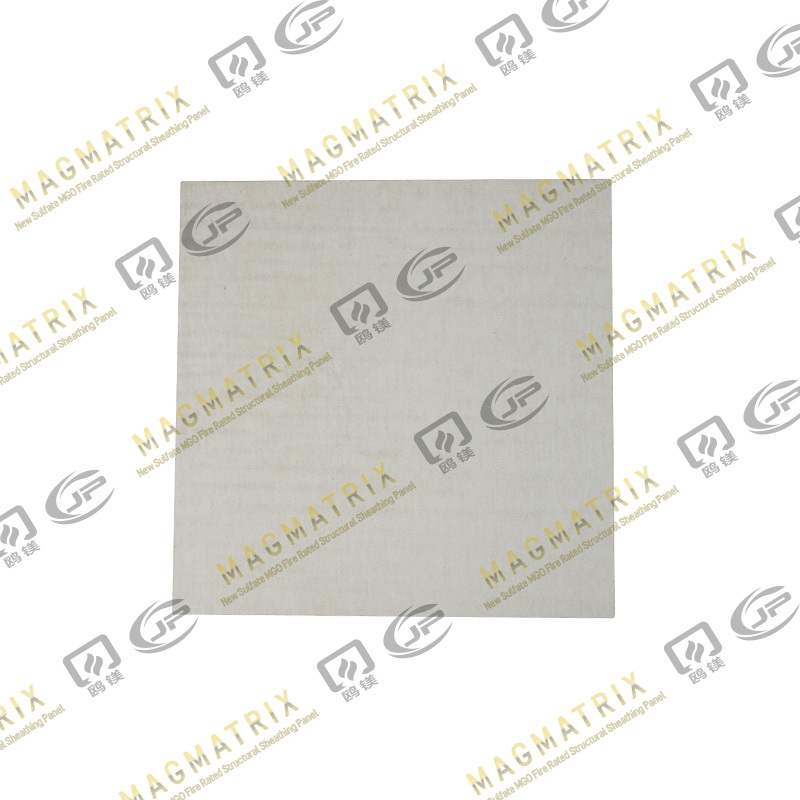
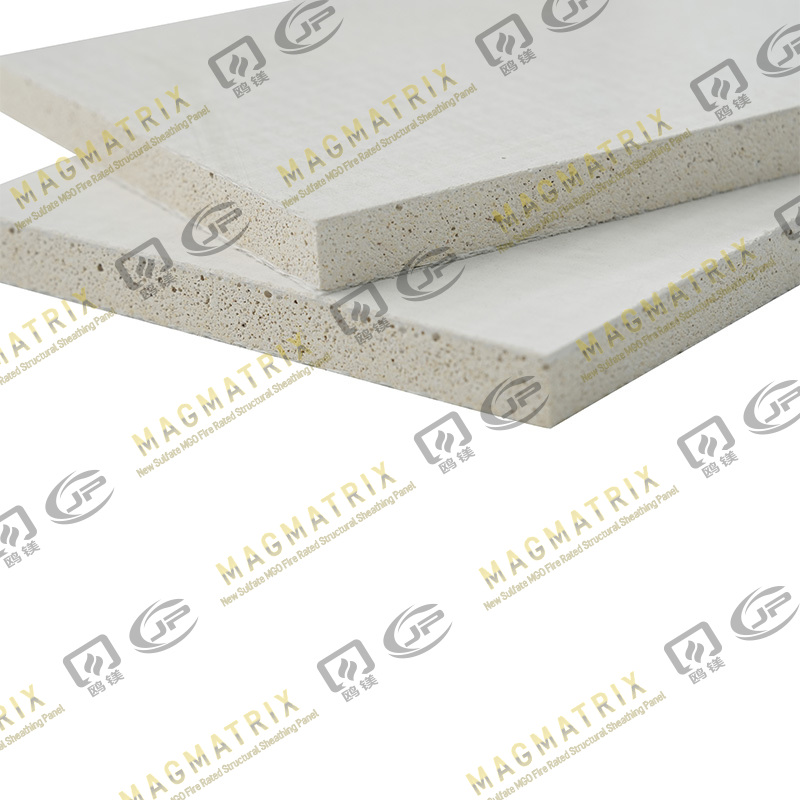
MgO (Magnesium Oxide) underlayment panels are a versatile, high-performance substrate increasingly chosen for renovation and new construction. A common and crucial question from installers and homeowners is whether they can be successfully installed over existing wood subfloors. The definitive answer is yes, but it requires strict adherence to specific preparation and installation protocols. Unlike concrete slabs, wood subfloors are dynamic, prone to movement, moisture variation, and deflection. This article provides a detailed, practical guide to ensuring a successful, long-lasting installation of MgO underlayment over wood framing and subflooring.
Critical Pre-Installation Assessment and Preparation
Success begins long before the first panel is laid. A thorough evaluation of the existing wood subfloor system is non-negotiable. Rushing this stage is the primary cause of future failures like cracked tiles or squeaking floors.
Evaluating the Existing Wood Subfloor
The existing subfloor must be structurally sound, level, and properly fastened. Begin by investigating from below, if possible, to check for sagging, water damage, or rot. From above, perform these checks:
- Deflection: The floor must meet or exceed L/360 deflection criteria for the planned finish. For stone tile, a stricter L/720 is often required. Reinforce joists if necessary.
- Flatness: The surface must be flat to within 1/8" in 6 feet or 3/16" in 10 feet. High spots must be sanded down; low spots must be filled with a compatible leveling compound.
- Subfloor Material: MgO panels can be installed over CDX plywood, OSB, or existing diagonal plank subflooring, provided it is securely attached.
- Fastening: Screw down the entire existing subfloor to the joists to eliminate squeaks and movement. Use ring-shank or decking screws every 6-8" along the joists.
- Moisture Content: Wood subfloors must be at a stable moisture content, typically between 6% and 12%. Acclimate the MgO panels in the room for at least 48 hours prior to installation.
Essential Preparation Steps
After assessment, execute these preparation steps meticulously. Clean the subfloor thoroughly of all dust, debris, wax, and oil. For glue-down methods, this is especially critical for adhesion. If the wood is overly porous or a cut-back adhesive is present, a primer specified by the panel or adhesive manufacturer may be required. Install a vapor retarder if there is a moisture concern from below, such as over a crawl space. However, ensure it is compatible and does not trap moisture within the wood.
Installation Methods and Best Practices
There are two primary methods for securing MgO underlayment to a wood subfloor: mechanical fastening and combination glue-and-fastener. The choice depends on the project requirements and the manufacturer's specifications.
Mechanical Fastening (Screw-Down)
This is the most common and straightforward method. Use corrosion-resistant screws designed for MgO and wood. Avoid standard drywall screws. The panel must be fastened following a precise grid pattern.
| Panel Thickness | Screw Spacing (Field) | Screw Spacing (Edges) | Screw Length |
| 1/2" (12mm) | 8" O.C. | 6" O.C. | 1-1/4" to 1-1/2" |
| 5/8" (15mm) | 8" O.C. | 6" O.C. | 1-1/2" to 1-3/4" |
Stagger panel joints in a brick-like pattern, with no four corners meeting at one point. Leave a 1/8" expansion gap between panels and a 1/4" gap at all walls and fixed vertical objects. Drive screws flush with the panel surface without breaking the face paper.
Combination Glue and Fasteners
For the absolute best bond and to minimize any potential for movement, a full-spread adhesive combined with mechanical fasteners is recommended. Use a urethane-based adhesive compatible with both wood and MgO. Trowel the adhesive onto the wood subfloor according to the manufacturer's notch size, then immediately set the panel and fasten it with screws as a temporary hold-down until the adhesive cures. This method is ideal for high-traffic areas or where superior sound reduction is desired.
Advantages and Important Considerations
Using MgO over wood subfloors offers distinct benefits but also requires awareness of its specific characteristics.
Key Advantages for Wood Subfloor Applications
- Dimensional Stability: MgO panels exhibit minimal expansion and contraction with humidity changes, providing a more stable base than wood-based underlayments for rigid finishes like tile.
- Mold and Moisture Resistance: The inorganic composition resists mold, mildew, and rot, protecting the wood subfloor below from minor moisture events from above.
- Fire Resistance: MgO is non-combustible, adding a layer of fire protection to the wood structure—a significant benefit in multi-family and commercial builds.
- Floor Stiffening: When properly fastened, the panel adds shear strength and rigidity to the floor system, reducing deflection.
Crucial Considerations and Potential Drawbacks
- Weight: MgO panels are heavier than plywood. Ensure the wood floor structure can support the added dead load, plus the live load of the finish floor.
- Cutting and Dust: Cutting generates fine dust. Always use a dust-collection vacuum and a respirator. Score-and-snap tools or carbide-tipped blades are most effective.
- Fastener Compatibility: Using incorrect screws can lead to "popping" or corrosion. Always use manufacturer-recommended fasteners.
- Not a Structural Substitute: MgO underlayment is a veneer. It does not replace the need for a structurally adequate wood subfloor. It is a overlay.
Final Recommendations for a Successful Project
To ensure optimal performance, always follow the specific technical data sheet from the panel manufacturer you are using, as formulations can vary. Never install MgO panels over a subfloor with active water leaks or chronic moisture issues—address the source first. For tile installations, after the MgO underlayment is installed, follow standard tile practices: use a crack-isolation membrane if desired, and select a high-quality polymer-modified thin-set mortar suitable for the tile type. By treating the wood subfloor as the critical foundation and the MgO panel as a high-performance overlay installed with precision, you create an exceptionally stable, durable, and fire-resistant base for virtually any floor covering.