The Short Answer: Proceed with Extreme Caution
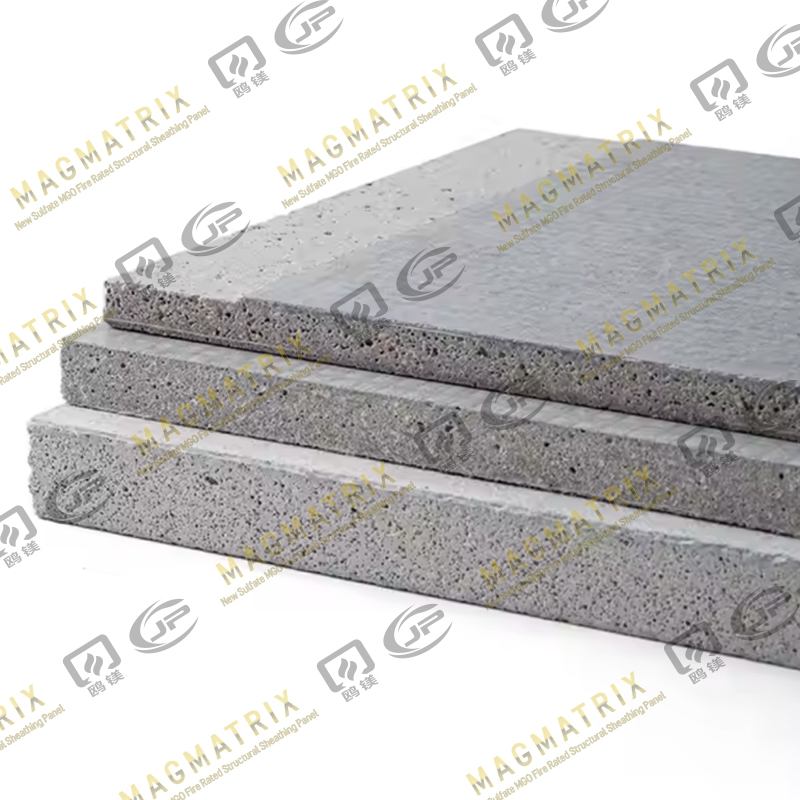
While technically possible, using MgO Underlayment Panel beneath vinyl plank flooring is generally not recommended by most flooring manufacturers and installers. The primary reason is the significant risk of moisture-related failure. MgO board is highly hygroscopic, meaning it readily absorbs and retains ambient moisture from the subfloor, concrete, or air. This trapped moisture can then become trapped against the vinyl plank, leading to a host of problems. For a successful installation, specific and rigorous conditions must be met, turning a standard floor prep into a high-stakes project.
Understanding the Core Conflict: MgO vs. Vinyl Plank Requirements
To understand the incompatibility, you must look at the fundamental properties of each material. MgO board is a cementitious panel made from magnesium oxide, often used in commercial and exterior applications for its fire resistance and durability. Modern luxury vinyl plank (LVP) and vinyl plank flooring are dimensionally stable, waterproof products that require a perfectly dry, flat, and stable subfloor.
The Critical Moisture Issue
MgO's moisture absorption is its Achilles' heel for vinyl installations. Even if the concrete subfloor tests dry, MgO can act as a moisture reservoir. When vinyl plank—particularly rigid core SPC or WPC—is glued down or floated over this, it creates a vapor barrier. Trapped moisture then migrates upward, seeking equilibrium, but gets blocked. This can cause adhesive failure for glue-down planks, or lead to moisture buildup that promotes mold and mildew growth underneath the flooring. In extreme cases, it can cause the MgO itself to degrade or "dust."
Flatness and Stability Concerns
Vinyl plank requires an exceptionally flat subfloor (typically within 3/16" over 10 feet). While MgO panels can help smooth over uneven concrete, they must be installed with great care. Any movement, shifting, or deflection in the MgO underlayment will telegraph directly through the thin vinyl, causing visible seams, peaking, or even cracking at the plank joints. The underlayment must be fully and securely adhered to the subfloor without any voids.
A Strict Protocol for Consideration
If, after understanding the risks, you are still considering this combination, adhering to the following protocol is non-negotiable. Deviating from any step drastically increases the likelihood of floor failure.
Step 1: Manufacturer Approval is Mandatory
Before purchasing any materials, you must obtain written, technical approval from both the MgO panel manufacturer and the vinyl plank flooring manufacturer. Their installation guidelines will dictate the specific requirements. Using their products outside of these guidelines will void all warranties.
Step 2: Environmental and Subfloor Preparation
The installation environment must be fully climate-controlled for a minimum of 2 weeks prior, during, and after installation. The AC/HVAC system must be operational. The target conditions are:
- Temperature: 65°F - 80°F (18°C - 27°C)
- Relative Humidity: 35% - 55%
- Concrete subfloor moisture tests (calcium chloride or relative humidity) must meet both the MgO panel AND vinyl plank manufacturer's requirements—whichever is stricter.
Step 3: MgO Panel Installation and Sealing
The panels must be installed according to the manufacturer's instructions using a full-spread, compatible adhesive to bond them to the subfloor. The most critical step is sealing every seam, edge, and penetration. This is done using the MgO manufacturer's specified joint sealant or tape system to create a continuous vapor barrier on top of the MgO, preventing its absorbed moisture from rising into the flooring.
Step 4: Final Moisture Testing and Acclimation
After the MgO is installed and sealed, you must conduct a final moisture test on the surface of the sealed MgO using a method approved by the vinyl plank manufacturer. The results must be within their strict limits. The vinyl plank itself should then be acclimated in the room for 48 hours before installation.
Comparison of Underlayment Options for Vinyl Plank
The complexities of using MgO become clear when compared to standard underlayments.
| Underlayment Type |
Primary Use Case |
Compatibility with Vinyl Plank |
Key Consideration |
| MgO Board |
Leveling over concrete; fire-rated assemblies |
Poor / Conditional |
High moisture risk; requires perfect sealing and climate control; often voids warranty. |
| Plywood / OSB |
Standard wood subfloor or over joists |
Excellent |
Must be flat, dry, and securely fastened. Standard for above-grade installations. |
| Concrete Backer Board (Cementitious) |
Bathroom/kitchen tile underlayment |
Poor |
Too rough; requires a skim coat. Not designed for direct vinyl installation. |
| Professional Grade Self-Leveling Underlayment (SLU) |
Creating a perfect flat surface over concrete |
Excellent |
The industry-standard prep for vinyl on concrete. Must be fully cured and dry. |
| Vapor Barrier/Underlayment Composite Sheet |
Moisture protection and minor smoothing over concrete |
Excellent |
Must be chosen specifically for use with vinyl plank (not laminate). |
Professional Recommendations and Warranty Reality
Most professional installers will advise against using MgO underlayment for vinyl plank. The risk of a callback for flooring failure is too high. The industry-standard and recommended practice is to use a moisture-testing-approved concrete subfloor, repair any cracks or imperfections, and apply a professional-grade self-leveling underlayment (SLU) to achieve the required flatness. This creates a monolithic, stable, and dry surface.
The Warranty Void
This is the most crucial practical point. Even if you meticulously follow all steps, if the vinyl plank manufacturer's installation guidelines do not explicitly list MgO board as an approved substrate, any future warranty claim for issues like adhesive failure, mold, or plank separation will almost certainly be denied. The manufacturer's approved subfloor list (concrete, plywood, existing vinyl) is your definitive guide.
Final Verdict
For 99% of residential and commercial vinyl plank installations, MgO underlayment is an unsuitable and risky choice. The potential for moisture entrapment and subsequent flooring failure, coupled with the high probability of voiding the flooring warranty, far outweighs any potential benefits of using MgO for leveling. The proven, safe, and warrantable path is to prepare the concrete subfloor properly—using moisture mitigation systems if needed—and to level it with manufacturer-approved products like self-leveling underlayment. When in doubt, always default to the vinyl plank manufacturer's written instructions and choose an underlayment they explicitly endorse.



 English
 русский
 Español
 BMSC 517 New Sulfate MgO Board
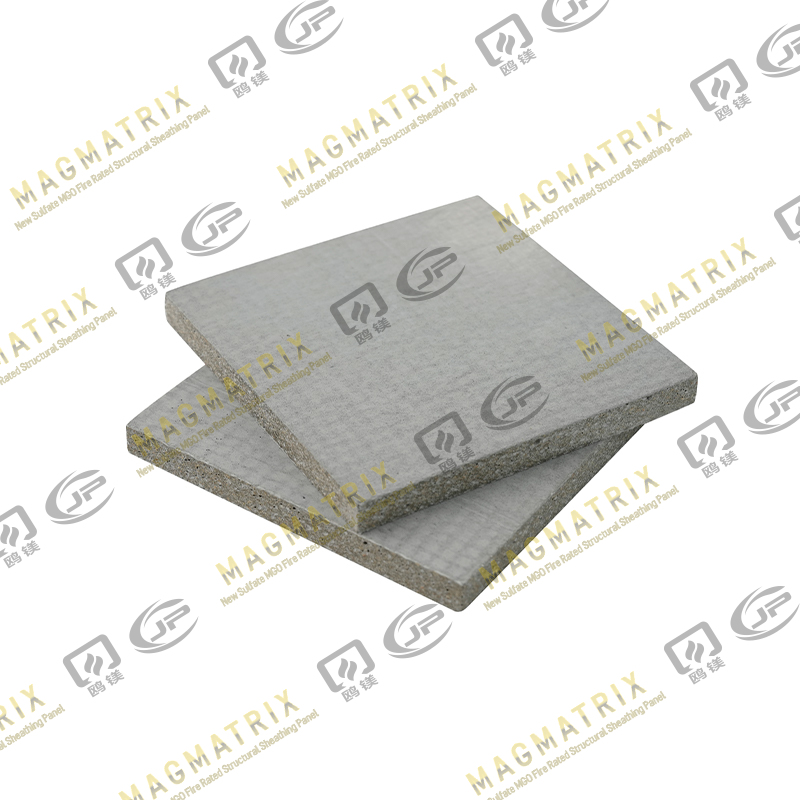 Multi-Support MgO Wall Sheathing Board
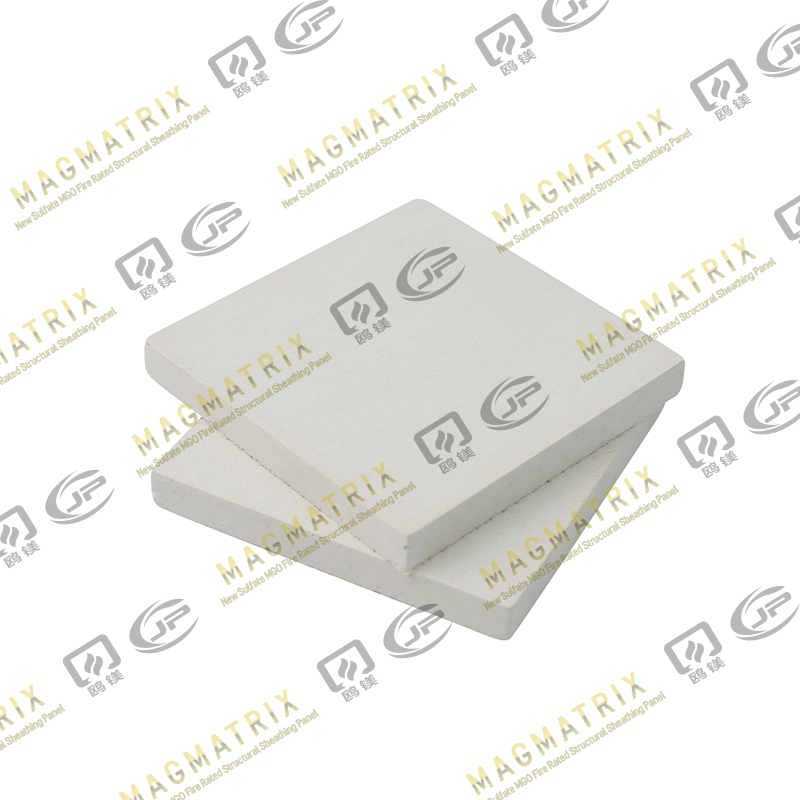 Perseverance MgO Wall Sheathing Board
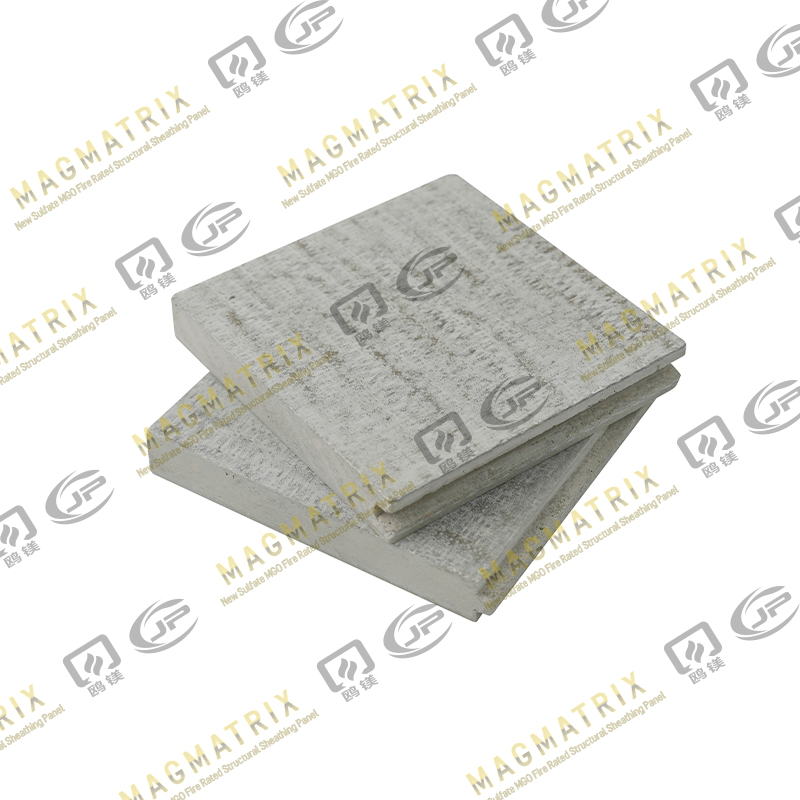 Multi-Support MgO Subfloor Sheathing Board
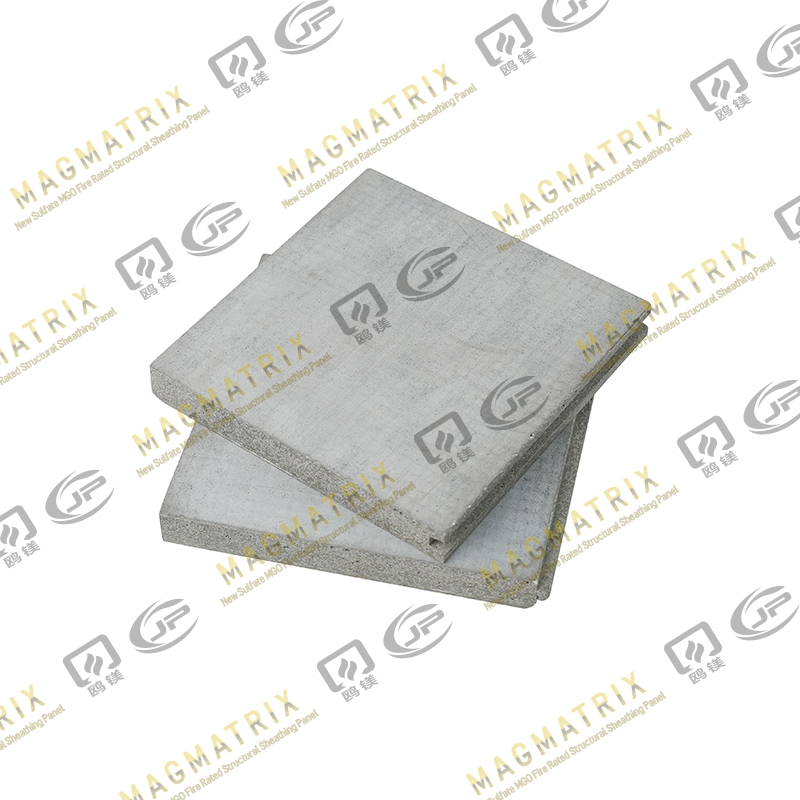 Perseverance MgO Subfloor Sheathing Board
 MagMatrix MgO Underlayment Panel/board