Understanding Sulfate MgO Board Composition
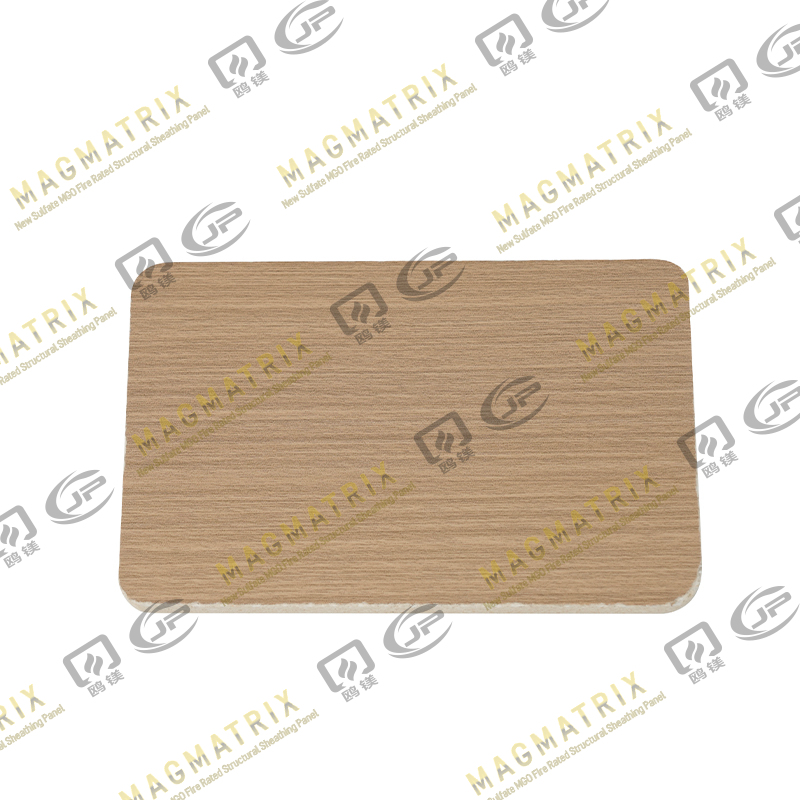
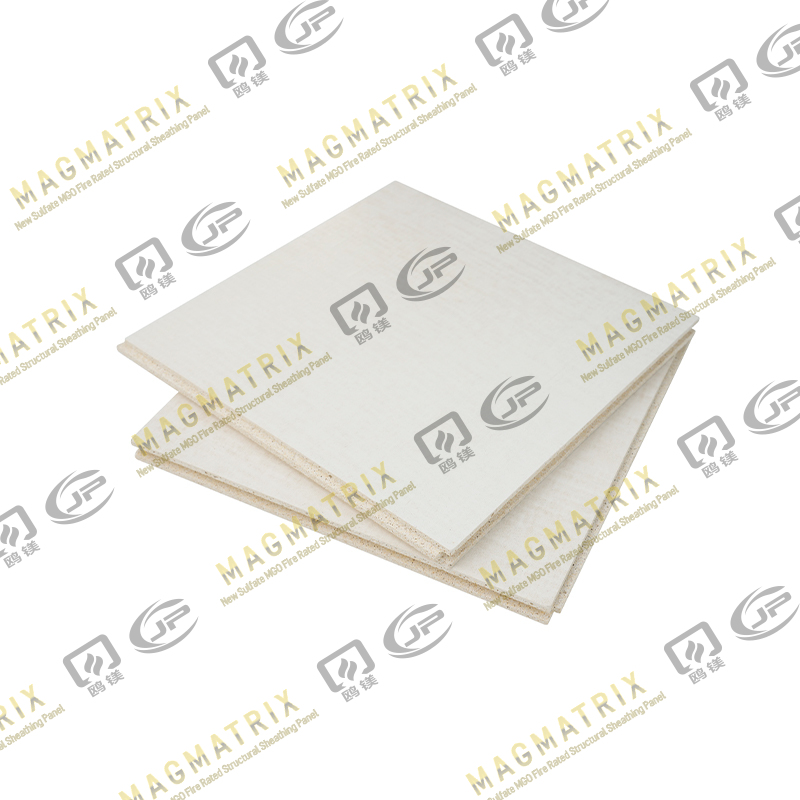
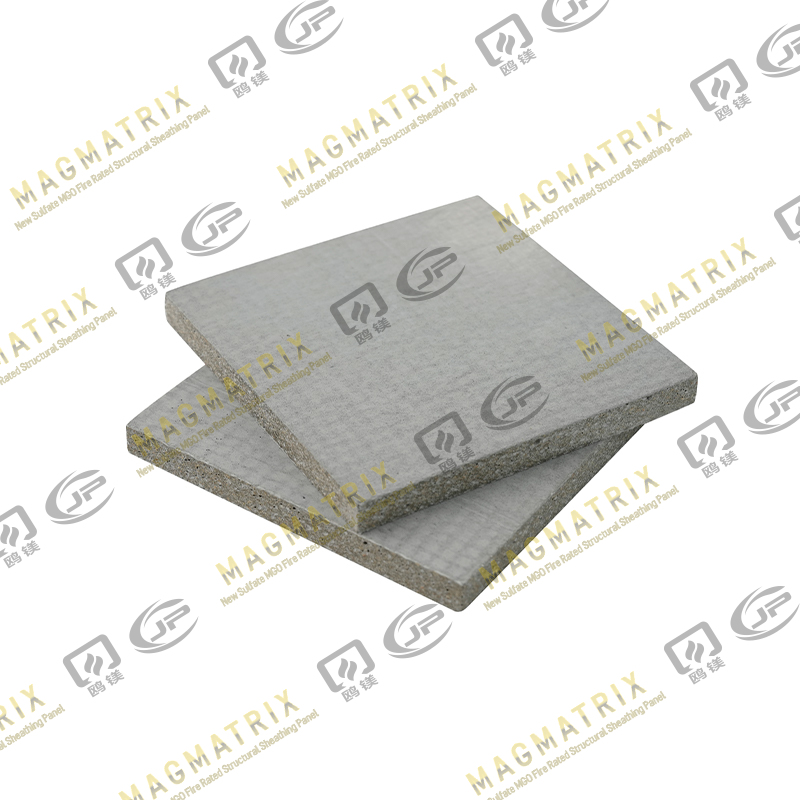
Sulfate MgO board is a type of magnesium oxide building panel manufactured using magnesium oxide as the main binder, magnesium sulfate as the curing agent, and reinforced with fiberglass mesh or similar materials. Unlike earlier magnesium chloride–based boards, sulfate MgO board is designed to reduce moisture sensitivity and corrosion risks, making it more suitable for long-term construction use.
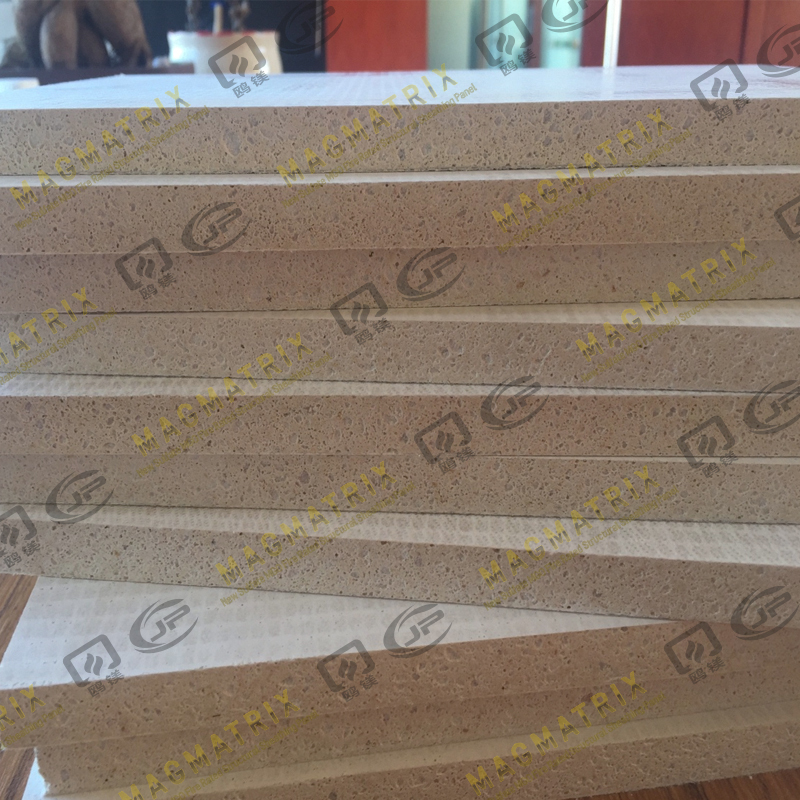
The internal structure of sulfate MgO board is dense and mineral-based. This gives it a combination of rigidity, fire resistance, and dimensional stability. The fiberglass reinforcement improves tensile strength and crack resistance, allowing the board to perform reliably in wall, ceiling, and flooring systems.
Key Raw Materials and Their Roles
- Magnesium oxide provides structural strength and fire resistance.
- Magnesium sulfate acts as a stable curing agent with reduced hygroscopic behavior.
- Fiberglass mesh improves flexural strength and impact resistance.
- Fillers such as perlite or wood fiber help control weight and thermal performance.
Performance Characteristics in Real Construction
Sulfate MgO board is valued for its balanced performance profile. It does not aim to replace every board type but fills a specific niche where fire safety, moisture tolerance, and durability are required simultaneously. Understanding its strengths helps builders apply it correctly and avoid misuse.
Fire Resistance and Safety
One of the most practical advantages of sulfate MgO board is its non-combustible nature. Magnesium oxide is a mineral material that does not burn or emit toxic smoke when exposed to fire. In many assemblies, sulfate MgO boards can achieve fire ratings ranging from one to four hours, depending on thickness and system design.
Moisture and Humidity Behavior
Compared with chloride-based MgO boards, sulfate MgO boards exhibit improved resistance to moisture absorption. While they are not fully waterproof, they are less likely to attract ambient humidity, reducing the risk of surface sweating, fastener corrosion, and dimensional instability in humid climates.
Mechanical Strength and Stability
Sulfate MgO boards offer good compressive and flexural strength for interior and semi-exterior use. They maintain flatness over time and resist warping better than some gypsum-based boards, especially in environments with fluctuating temperature and humidity.
Common Applications and Use Scenarios
Knowing where sulfate MgO board performs best is essential for effective specification. It is commonly selected for projects that require durability and fire safety without relying on organic materials.
Interior Wall and Ceiling Systems
In residential and commercial interiors, sulfate MgO board is often used as a substrate for paint, tile, or decorative panels. It works well in kitchens, bathrooms, corridors, and service rooms where moisture resistance and fire performance are desirable.
Floor Underlayment and Raised Floors
When used as a floor underlayment, sulfate MgO board provides a solid, fire-resistant base for finishes such as vinyl, laminate, or ceramic tile. Its dimensional stability helps reduce cracking and joint movement under load.
Modular and Prefabricated Construction
Sulfate MgO board is well suited for modular buildings and prefabricated panels due to its consistent quality and ease of machining. Factory-controlled environments further minimize moisture exposure during installation.
Installation Guidelines and Best Practices
Correct installation plays a significant role in the long-term performance of sulfate MgO board. Many reported issues are linked to improper handling or unsuitable detailing rather than material defects.
Cutting and Handling
- Use carbide-tipped blades or scoring tools for clean cuts.
- Wear dust protection, as mineral dust may be generated.
- Store boards flat in a dry, covered area before installation.
Fastening and Joint Treatment
Corrosion-resistant screws, such as stainless steel or coated fasteners, are recommended. Joint treatment typically involves fiberglass tape and compatible mineral-based joint compounds rather than standard gypsum mud.
Comparison With Other Common Boards
Understanding how sulfate MgO board compares to other materials helps designers and builders make informed decisions based on project requirements rather than marketing claims.
| Property |
Sulfate MgO Board |
Gypsum Board |
Cement Board |
| Fire Resistance |
Excellent |
Moderate |
Excellent |
| Moisture Tolerance |
Good |
Low |
Very Good |
Maintenance, Durability, and Service Life
Once installed and properly finished, sulfate MgO board requires minimal maintenance. It does not rot, attract insects, or degrade rapidly under normal interior conditions. Periodic inspection of joints and coatings is usually sufficient to ensure long-term performance.
Limitations and Responsible Use
While sulfate MgO board offers many advantages, it is not a universal solution. It should not be used in permanently submerged conditions or without protective finishes in exposed exterior applications unless specifically designed for such use.
Conclusion: Making Practical Use of Sulfate MgO Board
Sulfate MgO board is a practical building material when selected with a clear understanding of its properties. Its fire resistance, improved moisture behavior, and structural stability make it a useful option for specific construction needs. By focusing on proper installation and realistic expectations, builders and designers can use sulfate MgO board effectively and responsibly.



 English
 русский
 Español
 BMSC 517 New Sulfate MgO Board
 Multi-Support MgO Wall Sheathing Board
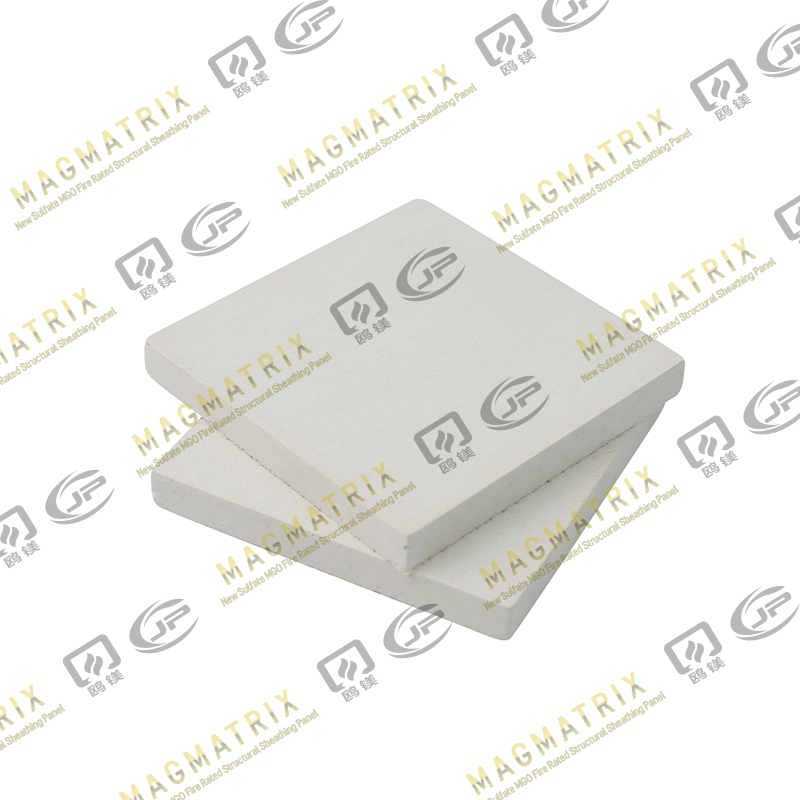 Perseverance MgO Wall Sheathing Board
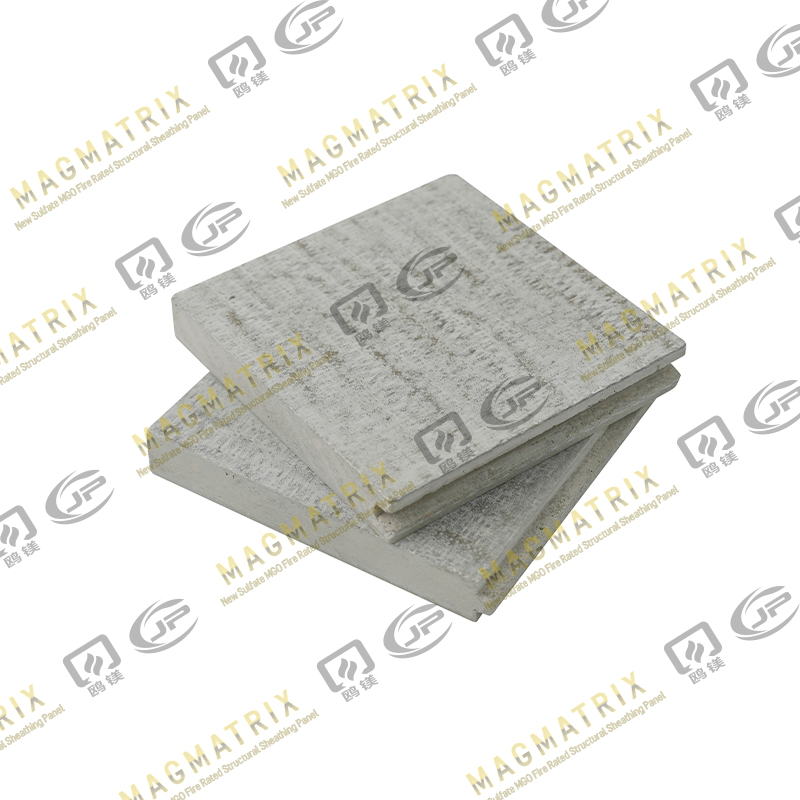 Multi-Support MgO Subfloor Sheathing Board
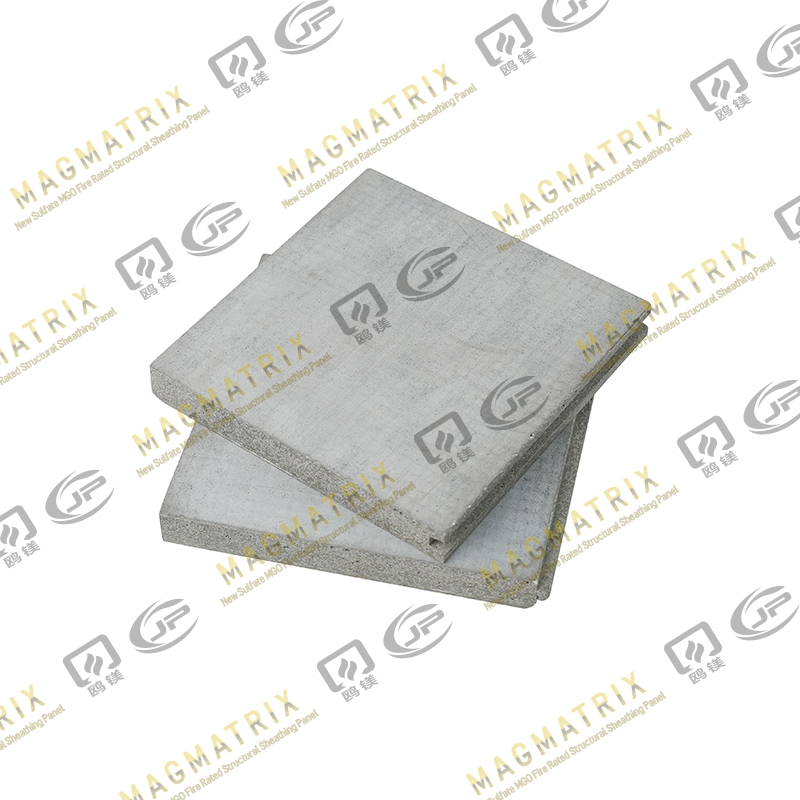 Perseverance MgO Subfloor Sheathing Board
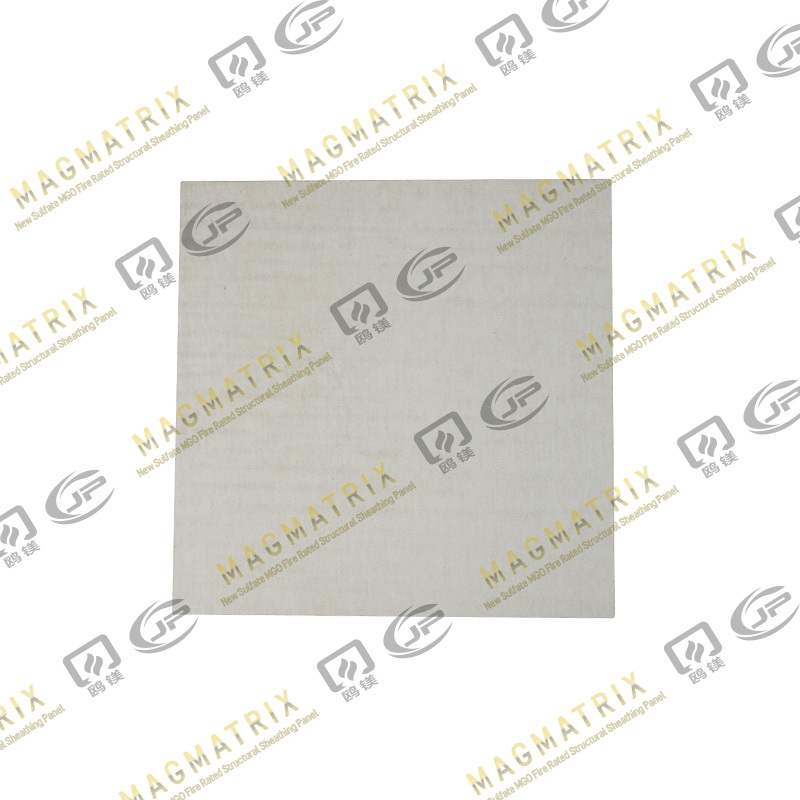 MagMatrix MgO Underlayment Panel/board