Understanding What MgO Panels Are and How They Are Made
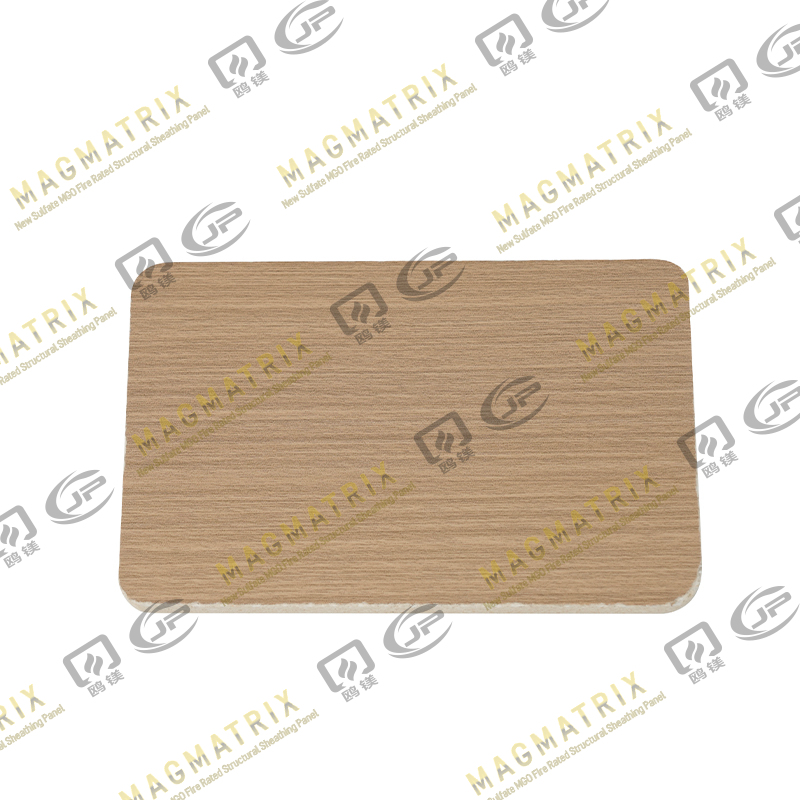
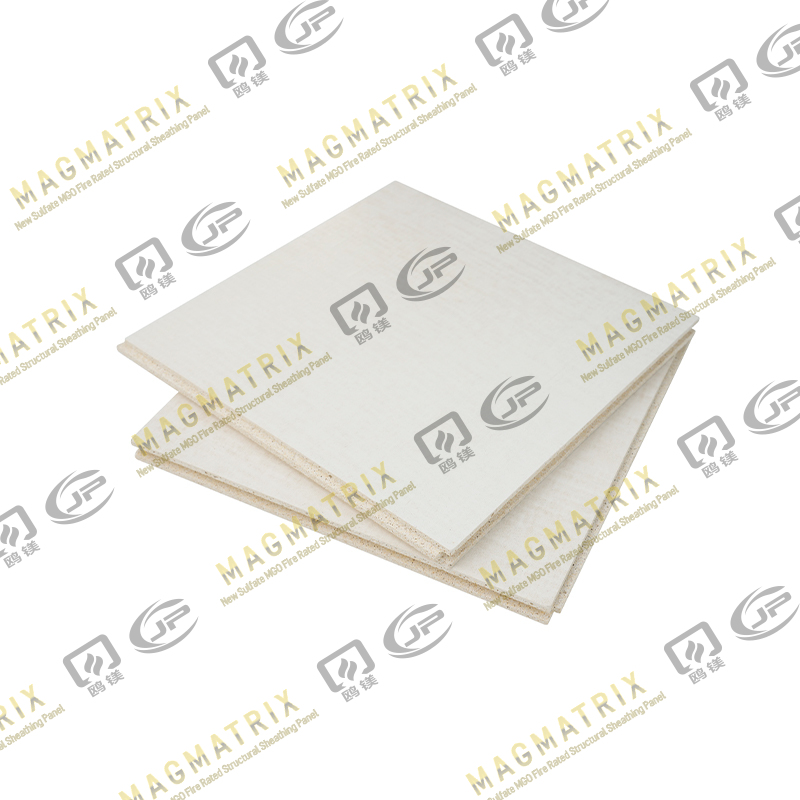
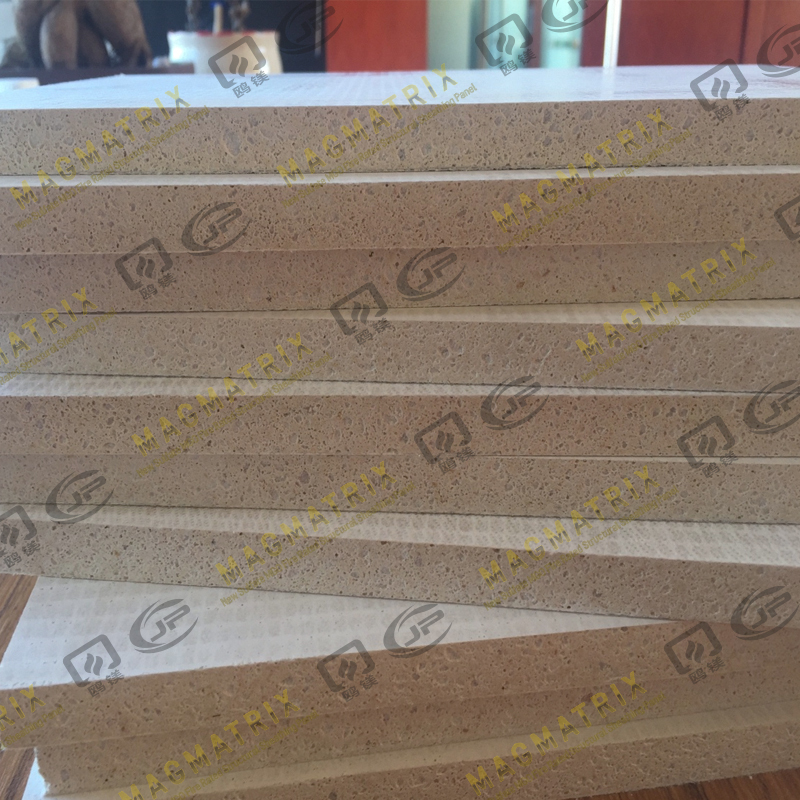
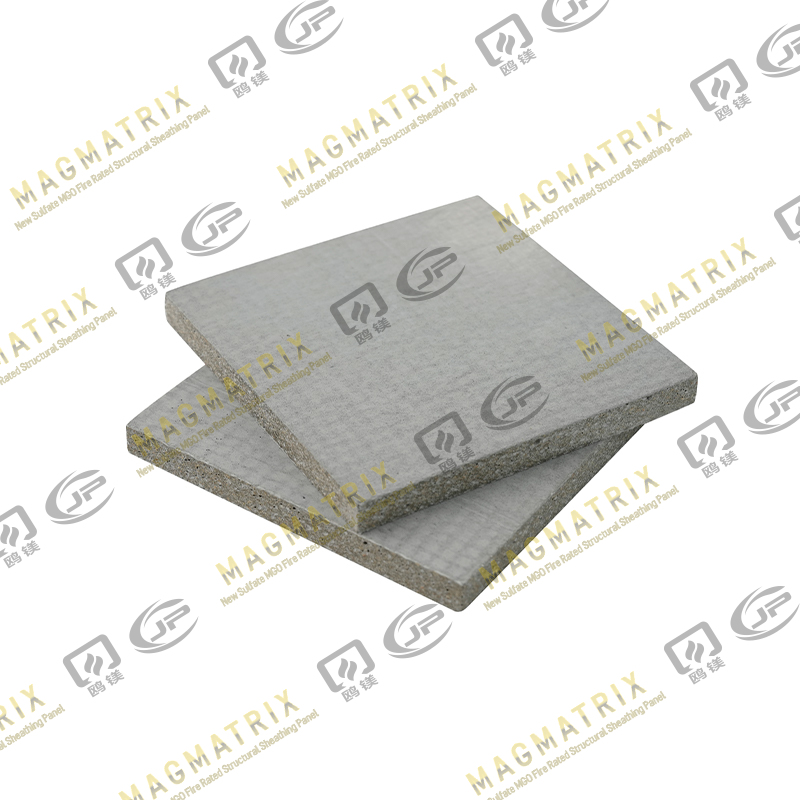
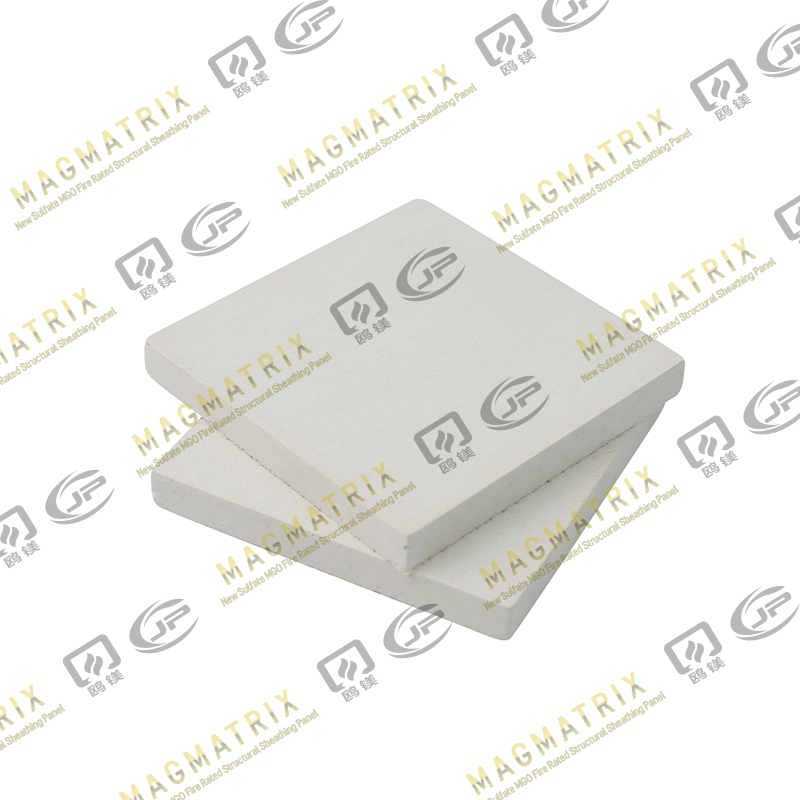
MgO panels, commonly known as magnesium oxide boards, are construction panels manufactured from a blend of magnesium oxide, magnesium chloride or sulfate, fillers, and reinforcing fibers. The result is a dense, non-combustible sheet designed to replace or complement traditional materials such as gypsum board, cement board, and fiber cement panels in a variety of building applications.
The manufacturing process typically involves mixing raw materials into a slurry, embedding fiberglass mesh or plant fibers for tensile strength, and curing the panels under controlled conditions. This process creates a rigid board with relatively low shrinkage and a stable surface suitable for finishing. However, variations in formulations and curing practices can significantly affect performance, making it important to understand product specifications rather than assuming all MgO panels behave the same way.
Common Applications in Residential and Commercial Construction
MgO panels are used across a wide range of interior and exterior construction scenarios. Their fire resistance, dimensional stability, and resistance to mold make them appealing in environments where safety and durability are priorities. That said, correct application is essential to avoid performance issues.
- Interior wall sheathing and partition walls in residential and commercial buildings
- Ceiling boards, particularly in fire-rated assemblies
- Substrate for tile or stone in wet areas such as bathrooms and kitchens
- Exterior sheathing when paired with appropriate moisture barriers and finishes
In commercial settings, MgO panels are often selected for corridors, stairwells, and utility rooms where fire performance is critical. In residential projects, they may be used selectively rather than as a full drywall replacement, depending on cost and local building codes.
Key Performance Characteristics That Matter in Practice
While MgO panels are often marketed with broad claims, several practical characteristics deserve close attention during specification and installation. Understanding these helps align expectations with real-world outcomes.
Fire Resistance and Heat Stability
MgO panels are inherently non-combustible and can withstand high temperatures without releasing toxic smoke. This makes them suitable for fire-rated wall and ceiling assemblies. However, fire resistance ratings depend on the entire system, including fasteners, framing, and joint treatment, not just the panel itself.
Moisture Behavior and Humidity Sensitivity
One of the most discussed aspects of MgO panels is their response to moisture. Some formulations can absorb humidity and release salts to the surface, a phenomenon sometimes referred to as “crying boards.” Proper product selection, sealing, and environmental control are essential, especially in humid or coastal climates.
Mechanical Strength and Workability
MgO panels are generally harder and denser than gypsum board, offering improved impact resistance. At the same time, this density means cutting and fastening may require more effort. Carbide-tipped tools and corrosion-resistant fasteners are commonly recommended to ensure clean installation and long-term stability.
Installation Considerations That Reduce On-Site Problems
Successful use of MgO panels depends heavily on installation practices. Even high-quality panels can underperform if installed without regard to manufacturer guidance and environmental conditions.
- Allow panels to acclimate to site conditions before installation to reduce movement
- Use stainless steel or coated fasteners to minimize corrosion risk
- Maintain recommended expansion gaps at edges and joints
- Seal cut edges when required, especially in humid environments
Joint treatment is another area where installers should proceed carefully. Some traditional joint compounds may not be compatible with MgO surfaces, so manufacturer-approved systems should be used to avoid cracking or adhesion issues.
Comparing MgO Panels with Common Alternatives
Choosing MgO panels often involves comparing them with more familiar materials. The table below highlights practical differences that influence decision-making.
| Material |
Fire Resistance |
Moisture Tolerance |
Ease of Installation |
| MgO Panel |
High |
Moderate to High* |
Moderate |
| Gypsum Board |
Moderate |
Low |
High |
| Cement Board |
High |
High |
Low |
*Moisture tolerance varies significantly by formulation and manufacturer.
Addressing Durability and Long-Term Performance
Long-term durability of MgO panels depends on environmental exposure, installation quality, and maintenance practices. In controlled interior environments, many panels perform reliably for years. In more demanding settings, proactive measures are often required.
Protective coatings, vapor barriers, and proper ventilation can all extend service life. Regular inspections help identify early signs of surface efflorescence, fastener corrosion, or joint deterioration, allowing corrective action before more serious damage occurs.
Environmental and Health Considerations
MgO panels are often promoted as environmentally friendly due to their mineral-based composition and potential for lower embodied energy compared to some cement products. They are typically free from formaldehyde and asbestos, which can be beneficial for indoor air quality.
That said, sustainability claims should be evaluated on a product-by-product basis. Factors such as sourcing of raw materials, manufacturing energy use, and transportation distances all influence overall environmental impact.
When MgO Panels Are a Good Fit—and When They Are Not
MgO panels can be a practical solution when fire resistance, impact strength, and mold resistance are priorities. They are particularly useful in specific assemblies rather than as a universal replacement for all wallboard.
They may be less suitable in projects with uncontrolled humidity, limited installer experience, or tight budgets that do not allow for compatible accessories and careful detailing. Evaluating these constraints early helps ensure the material supports, rather than complicates, project goals.
Practical Takeaways for Builders and Specifiers
MgO panels offer a combination of properties that can be valuable in modern construction, but they are not a one-size-fits-all solution. Clear understanding of product specifications, realistic assessment of site conditions, and disciplined installation practices are key to achieving reliable performance.
By focusing on practical details rather than marketing claims, builders and designers can make informed decisions about when and how to use MgO panels effectively, ensuring they contribute positively to the durability and safety of the finished structure.



 English
 русский
 Español
 BMSC 517 New Sulfate MgO Board
 Multi-Support MgO Wall Sheathing Board
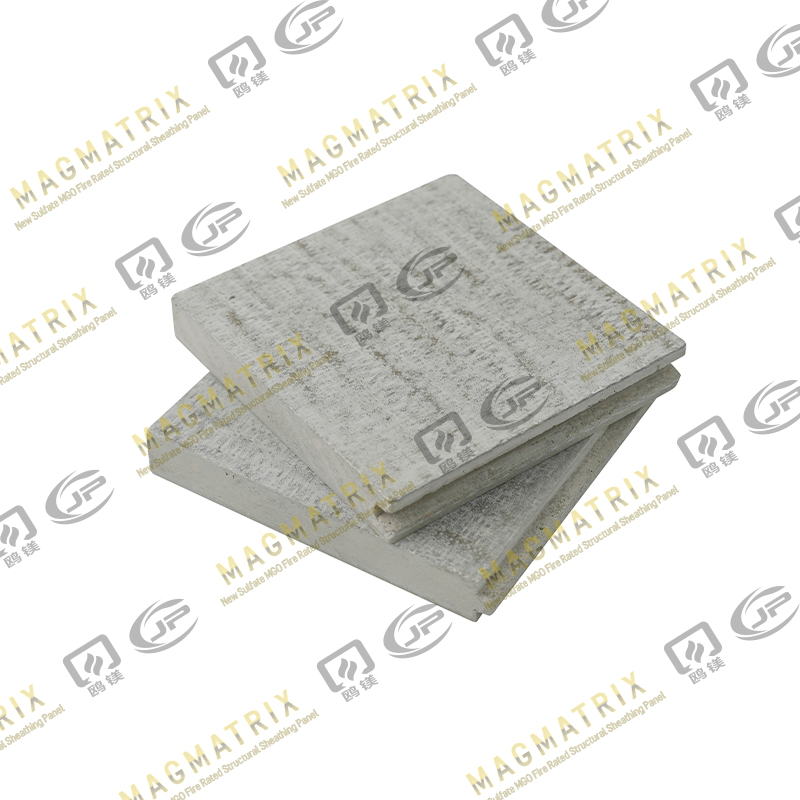
 Perseverance MgO Wall Sheathing Board
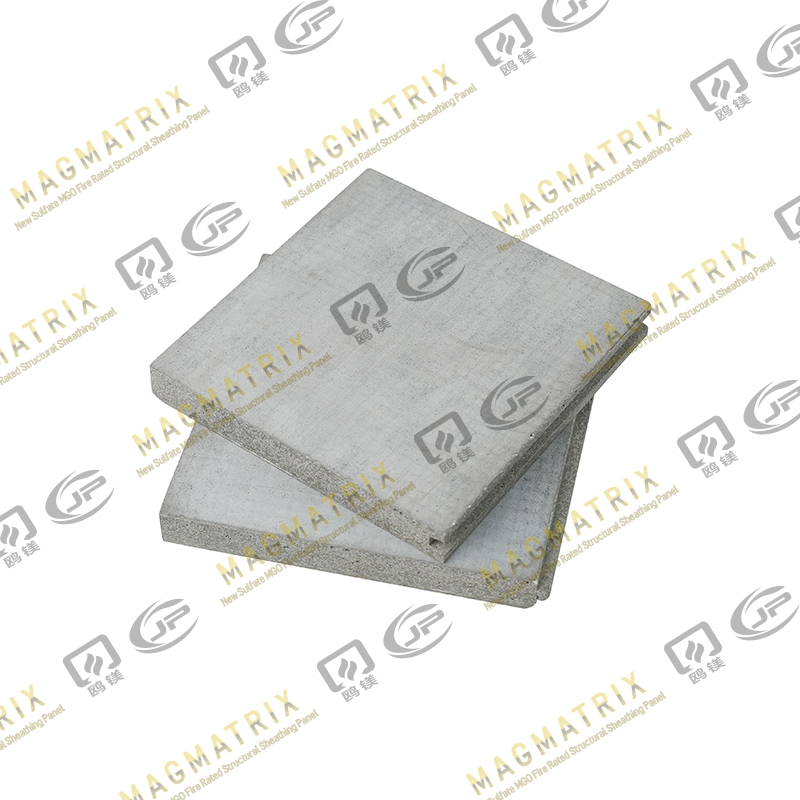
 Multi-Support MgO Subfloor Sheathing Board
 Perseverance MgO Subfloor Sheathing Board
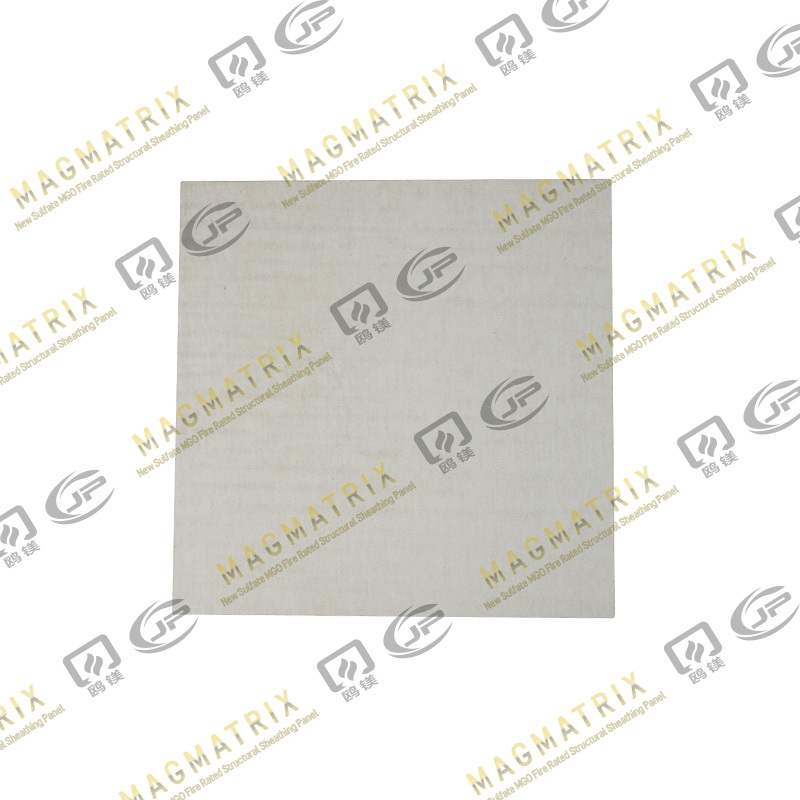 MagMatrix MgO Underlayment Panel/board