Understanding MgO Underlayment Board
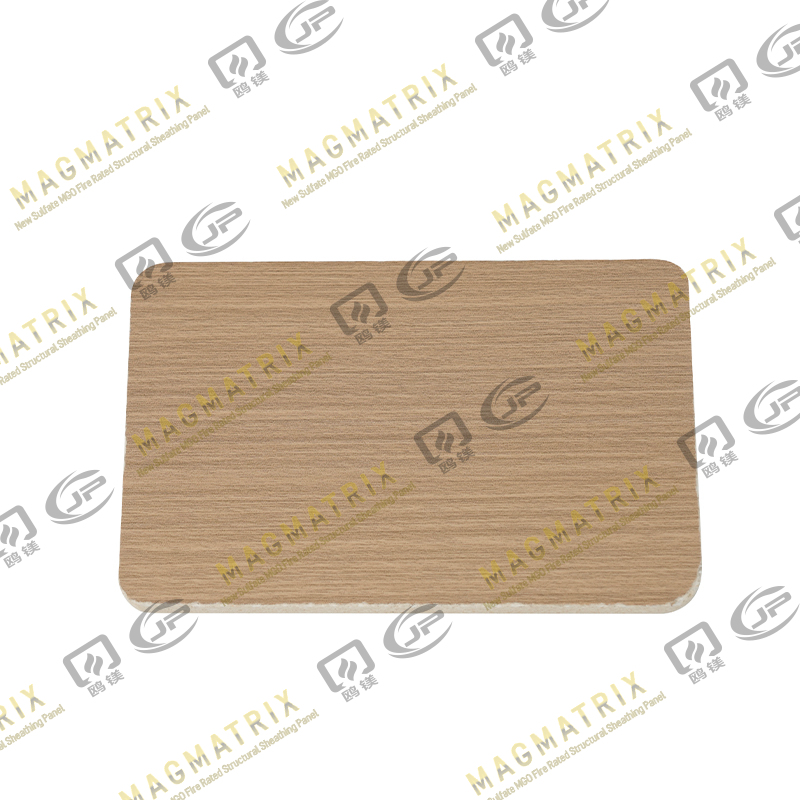
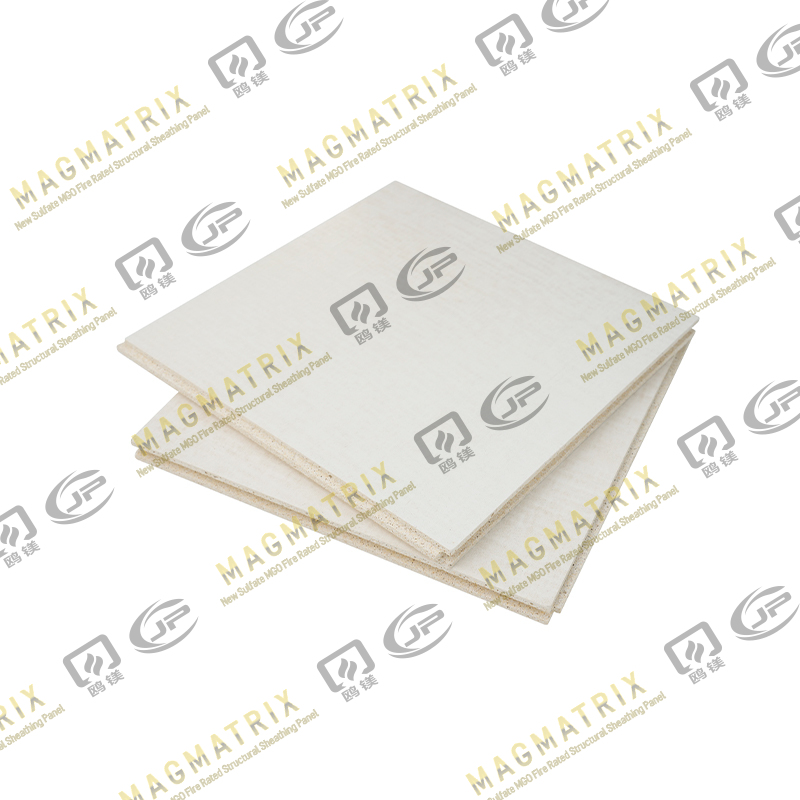
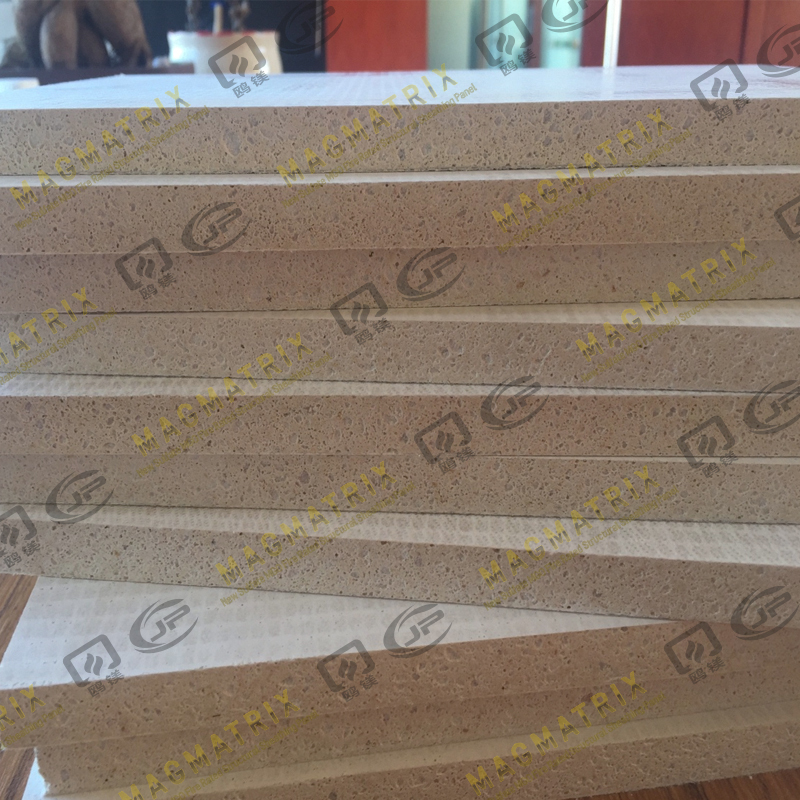
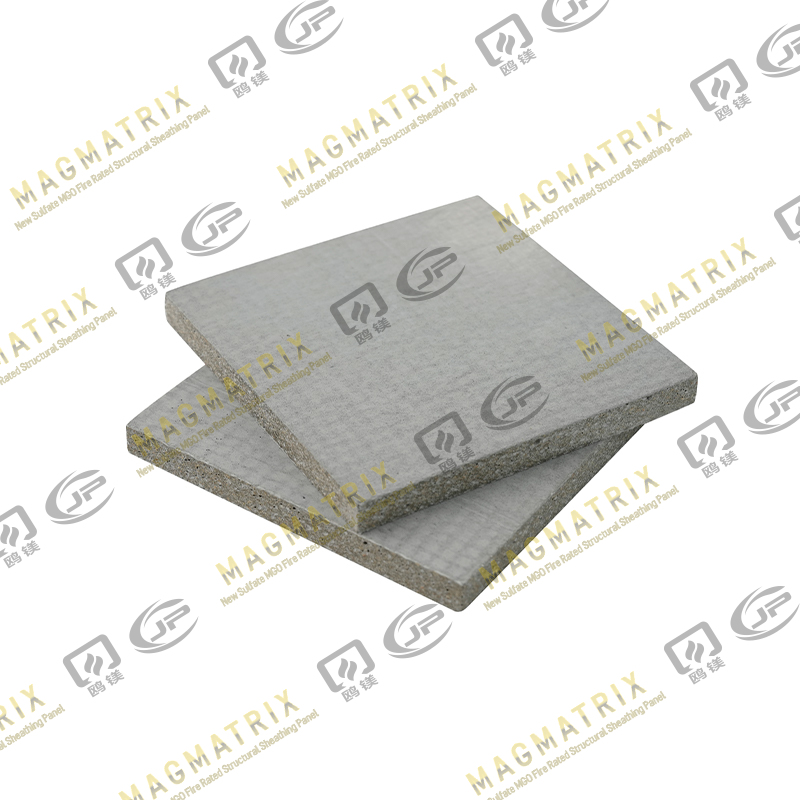
MgO (magnesium oxide) underlayment boards are high-performance construction materials designed to provide a stable, durable base for flooring systems. Composed of magnesium oxide, magnesium chloride, and various fillers, these boards offer excellent fire resistance, moisture resistance, and dimensional stability. Unlike traditional plywood or cement boards, MgO boards are lightweight, mold-resistant, and environmentally friendly, making them ideal for both residential and commercial projects.
Key Features of MgO Underlayment Board
MgO underlayment board is valued for their unique combination of properties that enhance flooring performance. Understanding these features is essential when selecting the right underlayment for your project.
Fire Resistance
MgO boards are naturally fire-resistant due to the chemical composition of magnesium oxide. They can withstand high temperatures without deforming or emitting toxic fumes, providing an extra layer of safety in residential and commercial buildings.
Moisture and Mold Resistance
Unlike plywood, MgO boards do not absorb water, preventing swelling and warping. This property makes them suitable for bathrooms, kitchens, and basements where moisture exposure is common. Additionally, the boards are naturally mold-resistant, improving indoor air quality.
Dimensional Stability
MgO underlayment boards maintain their shape under temperature fluctuations and heavy loads. This stability reduces the risk of cracks or uneven flooring, ensuring a smooth, long-lasting surface for tile, vinyl, or laminate installations.
Sound and Thermal Insulation
The dense structure of MgO boards helps dampen sound transmission and offers moderate thermal insulation. This makes them a practical choice for multi-story buildings and spaces where comfort and noise reduction are priorities.
Applications of MgO Underlayment Board
MgO underlayment boards can be used in a variety of flooring applications due to their durability and resistance to environmental factors. They are particularly effective in situations where traditional plywood or cement boards may fail.
Residential Flooring
In homes, MgO boards serve as a reliable underlayment for hardwood, laminate, vinyl, and tile floors. Their moisture resistance is especially beneficial in kitchens, bathrooms, and laundry rooms.
Commercial and Industrial Projects
For commercial spaces such as offices, hotels, and retail stores, MgO boards provide a stable and fire-resistant base. Their strength and durability support heavy foot traffic and reduce maintenance costs over time.
Specialized Environments
MgO boards are suitable for areas requiring high hygiene standards, such as hospitals, laboratories, and cleanrooms. Their mold resistance and non-toxic composition ensure a safer and more sanitary flooring foundation.
Installation Guidelines for MgO Underlayment Board
Proper installation is crucial to maximize the benefits of MgO boards. These boards can be cut, drilled, and fastened using standard tools, but careful attention to preparation and layout ensures optimal performance.
Subfloor Preparation
Before installation, ensure the subfloor is clean, dry, and level. Remove debris and repair any damage to prevent uneven surfaces. Moisture testing is recommended to confirm that the subfloor meets manufacturer guidelines.
Board Cutting and Layout
MgO boards can be cut with a circular saw or utility knife. Maintain proper spacing between boards (usually 2–3 mm) to allow for thermal expansion. Stagger seams to avoid alignment in adjacent rows, which enhances structural stability.
Fastening and Joint Treatment
Boards are typically fastened using corrosion-resistant screws or nails. After installation, fill joints with a compatible joint compound or MgO-based filler. Sand smooth if necessary to create a level surface for the final flooring layer.
Surface Preparation
Once the boards are secured, clean the surface thoroughly to remove dust and debris. Priming or a leveling compound may be applied depending on the type of flooring to be installed. Ensure the surface is dry and smooth before laying tiles, vinyl, or laminate.
Comparing MgO Boards with Traditional Materials
MgO boards offer several advantages over plywood and cement boards, but understanding the differences helps in selecting the right material for your project.
| Feature |
MgO Board |
Plywood |
Cement Board |
| Fire Resistance |
High |
Low |
Moderate |
| Moisture Resistance |
Excellent |
Poor |
Good |
| Weight |
Light |
Moderate |
Heavy |
| Installation Ease |
Easy |
Easy |
Moderate |
| Mold Resistance |
High |
Low |
Moderate |
Maintenance and Longevity
MgO underlayment boards require minimal maintenance. Their resistance to moisture, mold, and fire ensures a long service life. Regular cleaning and inspection are sufficient to maintain performance, and in the event of damage, individual boards can be replaced without disturbing the entire floor.
Cleaning Tips
Dust and debris can be removed with a vacuum or damp cloth. Avoid excessive water exposure, and ensure the subfloor remains dry to prevent any potential issues with adhesives or top flooring materials.
Repair and Replacement
If a board is damaged, it can be unscrewed and replaced individually. This localized repair approach reduces cost and disruption compared to replacing large areas of plywood or cement board underlayment.
Conclusion
MgO underlayment boards provide a high-performance, durable foundation for various flooring types. Their fire resistance, moisture resistance, dimensional stability, and ease of installation make them a practical choice for residential, commercial, and specialized applications. Proper installation and maintenance ensure that MgO boards can support long-lasting and safe flooring systems, offering superior performance compared to traditional underlayment materials.



 English
 русский
 Español
 BMSC 517 New Sulfate MgO Board
 Multi-Support MgO Wall Sheathing Board
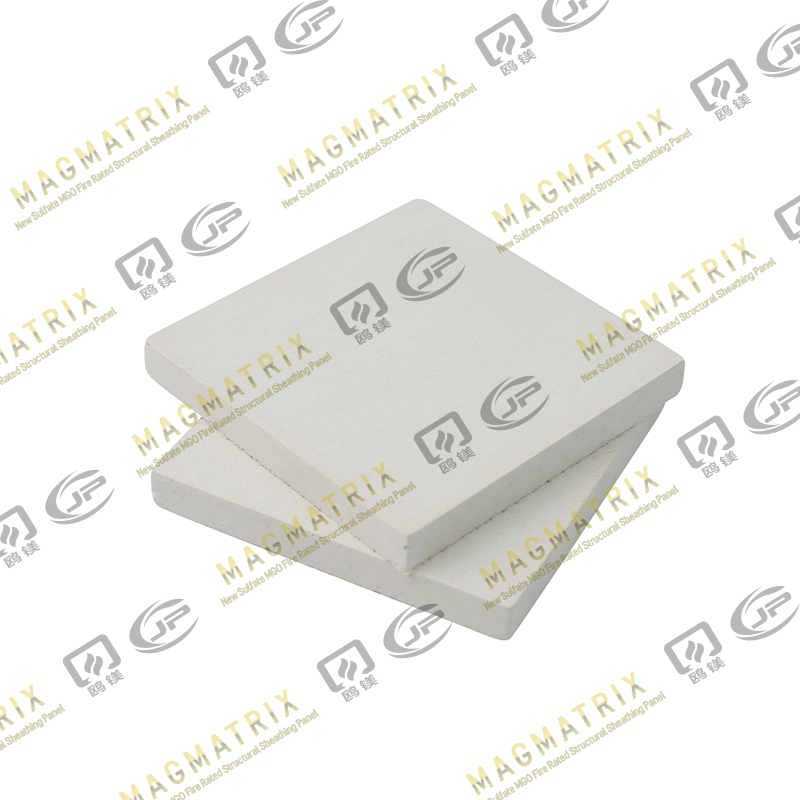 Perseverance MgO Wall Sheathing Board
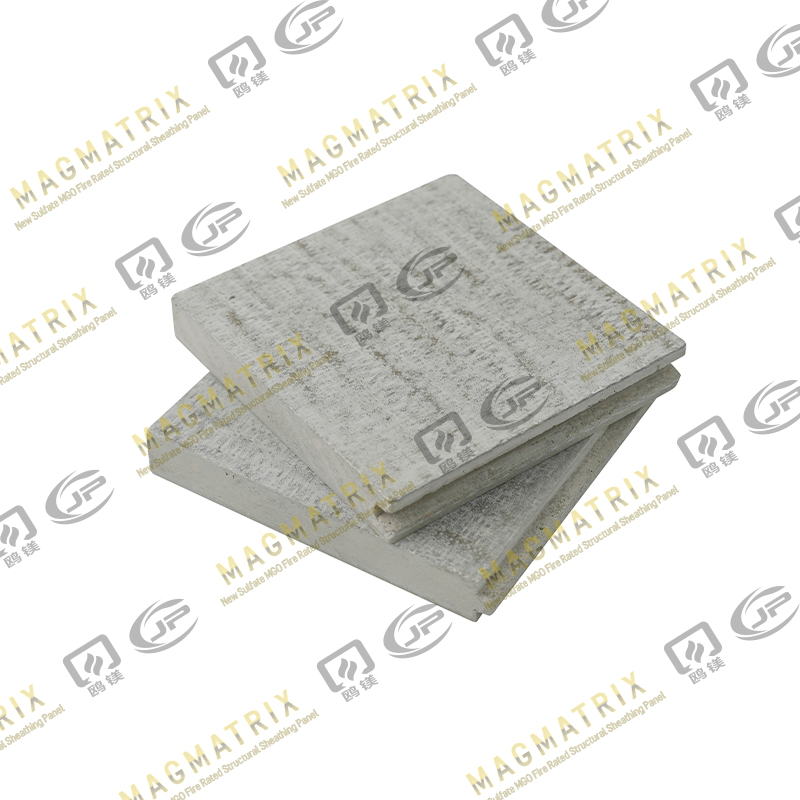 Multi-Support MgO Subfloor Sheathing Board
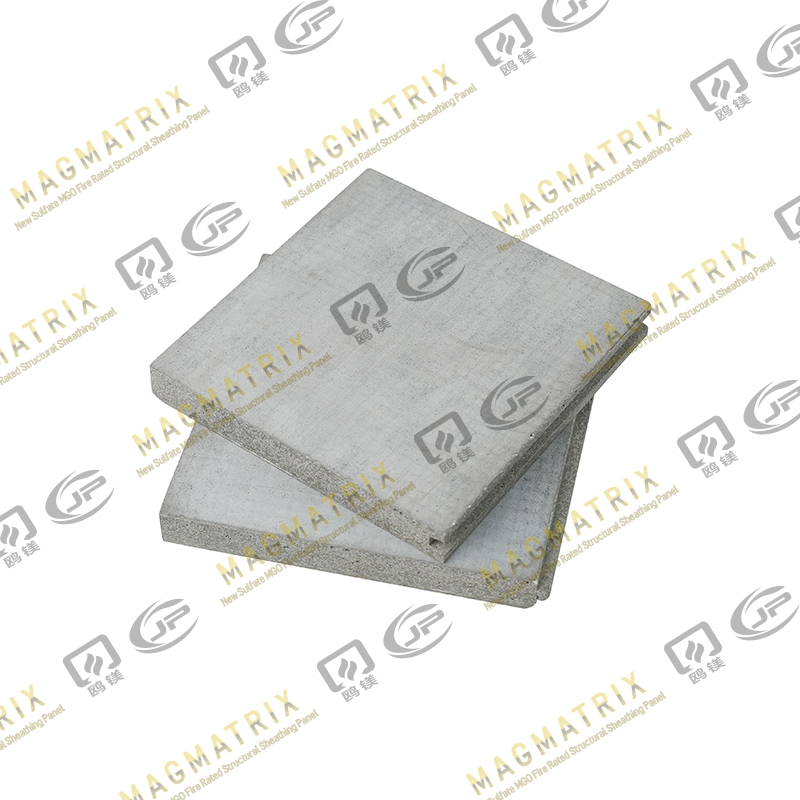 Perseverance MgO Subfloor Sheathing Board
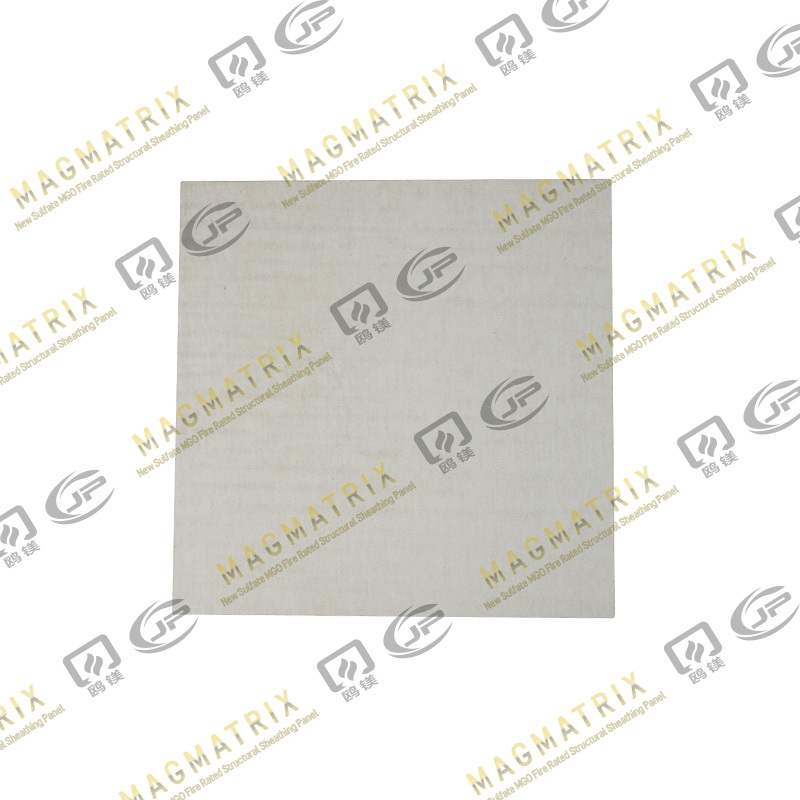 MagMatrix MgO Underlayment Panel/board