Understanding MgO Wall Sheathing Board
MgO (Magnesium Oxide) wall sheathing board is a high-performance building material designed to improve structural durability, fire safety, and moisture resistance. It has gained popularity as an eco-friendly alternative to traditional gypsum and cement boards due to its unique chemical composition and versatility. MgO boards are typically made from magnesium oxide, magnesium chloride, and reinforcing fibers, producing a material that is lightweight yet strong, resistant to mold, and suitable for both interior and exterior applications.
Key Composition and Properties
The composition of MgO wall sheathing board contributes to its exceptional performance. Its primary components include magnesium oxide (MgO), magnesium chloride (MgCl2), and various fillers and reinforcements. These ingredients create a dense, non-combustible matrix that offers several advantages over traditional building boards.
Fire Resistance
MgO boards are inherently fire-resistant. They can withstand temperatures up to 1200°C without significant structural degradation. This makes them ideal for areas where fire safety is a priority, such as commercial buildings, kitchens, and high-rise apartments.
Moisture and Mold Resistance
Unlike gypsum boards, MgO sheathing is highly resistant to moisture and mold. The material does not absorb water easily, reducing the risk of swelling, warping, or microbial growth. This property makes MgO boards particularly suitable for wet areas such as bathrooms, basements, and external wall sheathing.
Structural Strength and Durability
MgO wall sheathing boards offer excellent mechanical strength. They can support heavy finishes, resist impact, and maintain dimensional stability over time. Their high compressive strength allows them to be used in load-bearing walls and areas prone to vibration or minor structural stress.
Applications of MgO Wall Sheathing Board
MgO boards are versatile and suitable for multiple applications in both residential and commercial construction. Their fire and moisture resistance, combined with ease of installation, make them a preferred choice for modern building projects.
Interior Wall Panels
MgO boards can be used for interior walls, providing a smooth surface suitable for painting, wallpapering, or tiling. Their moisture resistance is particularly beneficial in kitchens, bathrooms, and laundry rooms.
Exterior Sheathing
When used as exterior sheathing, MgO boards provide a strong, fire-resistant barrier that protects the underlying structure from moisture infiltration and environmental damage. They also serve as an effective substrate for siding or stucco finishes.
Ceilings and Flooring
The durability and fire-resistance of MgO boards make them suitable for ceiling and flooring applications, especially in commercial buildings, hospitals, and schools where safety regulations are strict.
Installation Guidelines
Correct installation of MgO wall sheathing boards ensures optimal performance and longevity. The following practices are recommended for professional results.
Surface Preparation
Before installation, ensure the framing or substrate is clean, dry, and structurally sound. Remove dust, debris, or loose particles to guarantee proper adhesion and fastener performance.
Fastening Methods
MgO boards can be installed using screws, nails, or adhesive systems. Screws are recommended for high-strength applications. Fasteners should penetrate framing members sufficiently to provide stability, typically by at least 25 mm.
Joint Treatment and Finishing
To achieve a smooth finish, joints should be filled with compatible MgO joint compound or cement-based filler. Sanding is generally minimal due to the board’s smooth surface. After finishing, the surface can be painted or covered with decorative finishes.
Comparison with Traditional Wall Sheathing
MgO wall sheathing boards offer advantages over conventional gypsum or cement boards. The following table highlights the main differences:
| Property |
MgO Wall Board |
Gypsum Board |
Cement Board |
| Fire Resistance |
Excellent |
Moderate |
Good |
| Moisture Resistance |
High |
Low |
Moderate |
| Structural Strength |
High |
Low |
Moderate |
| Installation Ease |
Moderate |
High |
Low |
Maintenance and Longevity
MgO wall sheathing boards require minimal maintenance due to their durability and resistance to environmental factors. Periodic inspection for mechanical damage and surface cleaning with a damp cloth is generally sufficient. Avoid using acidic cleaners or excessive water, which may reduce the lifespan of the board.
Repair Techniques
Minor cracks or surface imperfections can be repaired using compatible MgO patching compounds. For larger damage, replacement of the affected board section is recommended to maintain structural integrity.
Environmental and Safety Considerations
MgO wall boards are considered environmentally friendly because they produce fewer carbon emissions during manufacturing compared to Portland cement boards. They do not release harmful VOCs (volatile organic compounds), contributing to healthier indoor air quality.
Handling Precautions
While MgO boards are generally safe to handle, wearing gloves and dust masks is recommended during cutting or sanding to avoid skin irritation and inhalation of fine dust. Always follow manufacturer guidelines for storage, cutting, and installation.
Conclusion
MgO wall sheathing boards provide a robust, fire-resistant, and moisture-resistant alternative to traditional building boards. Their versatility in interior and exterior applications, combined with durability and eco-friendliness, makes them a practical choice for modern construction. Understanding their composition, properties, and correct installation methods ensures optimal performance, long-term stability, and safety in building projects.



 English
 русский
 Español
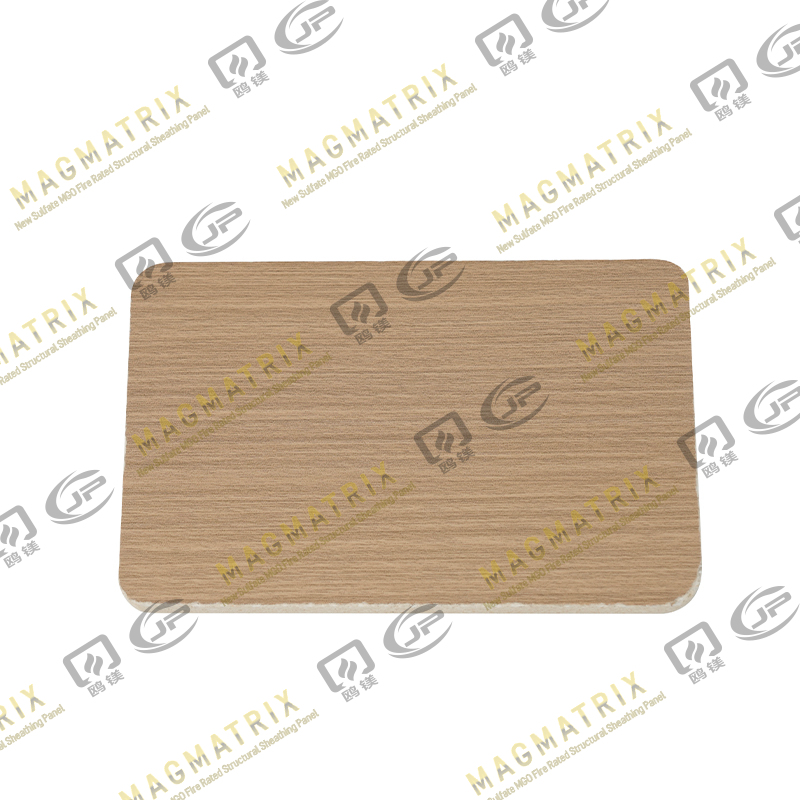
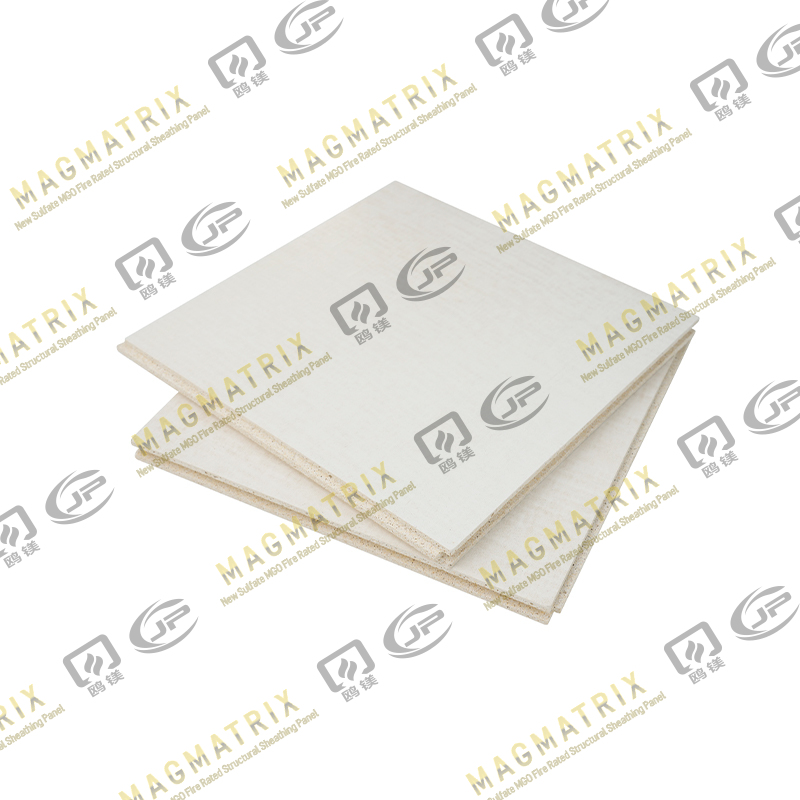
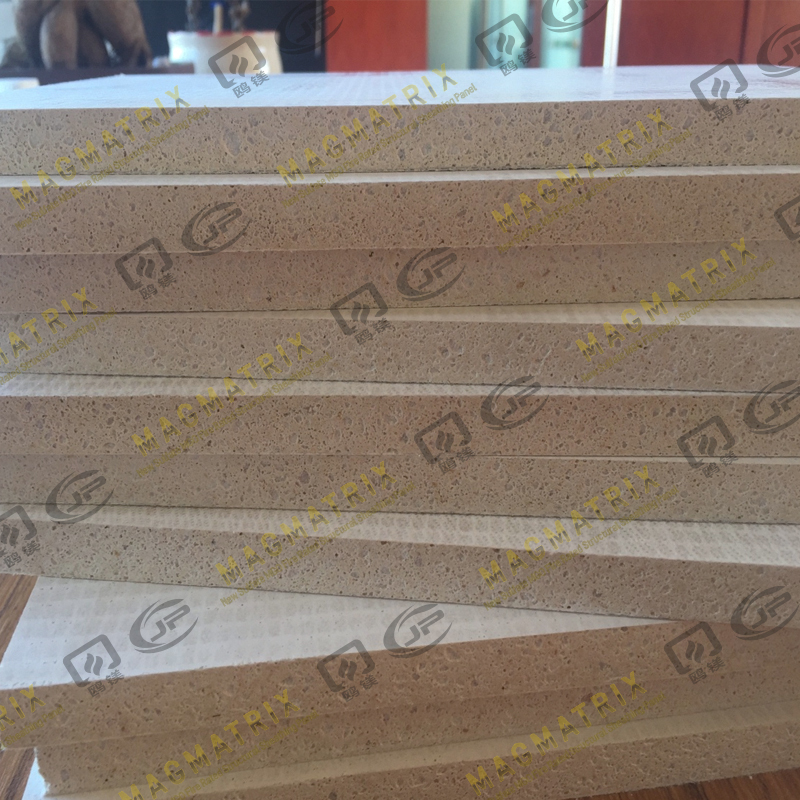 BMSC 517 New Sulfate MgO Board
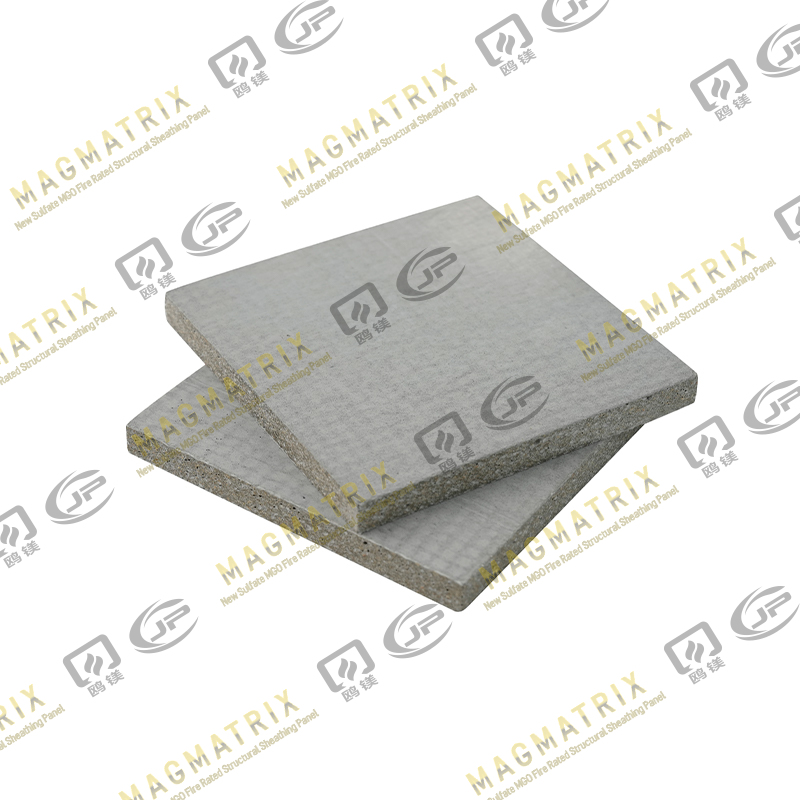 Multi-Support MgO Wall Sheathing Board
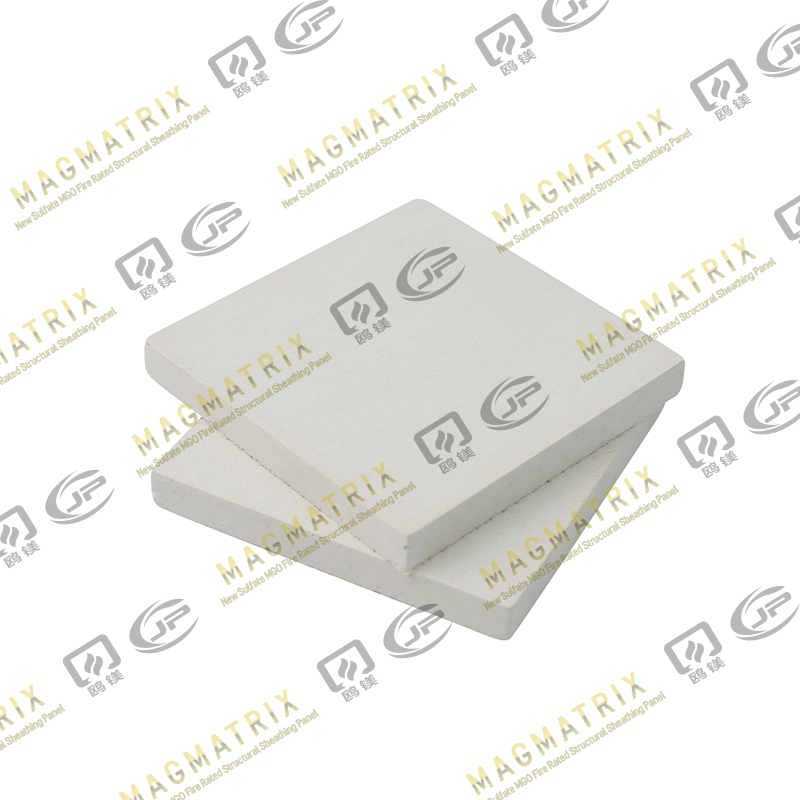 Perseverance MgO Wall Sheathing Board
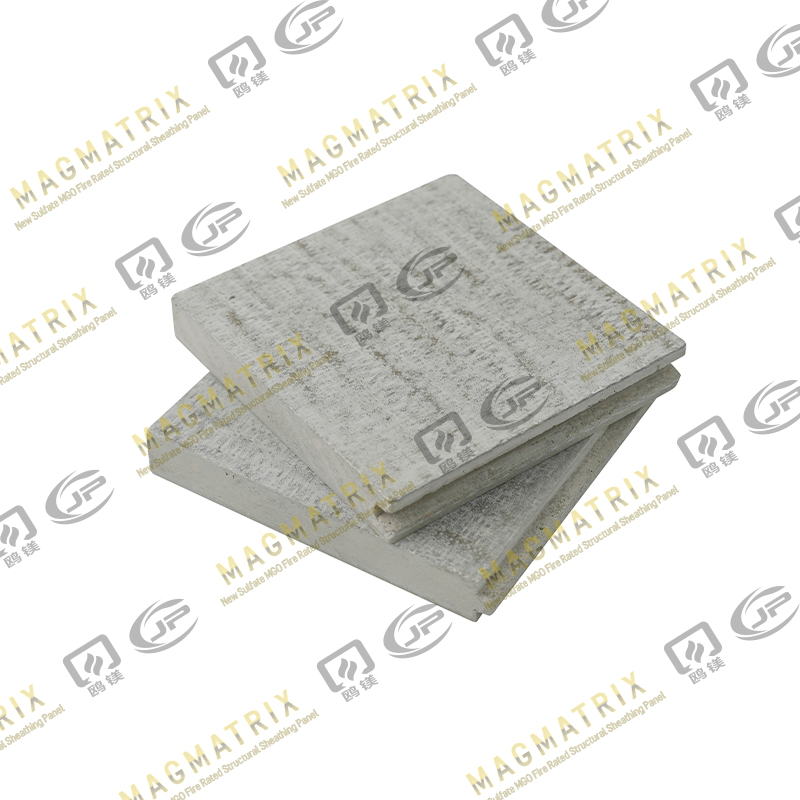 Multi-Support MgO Subfloor Sheathing Board
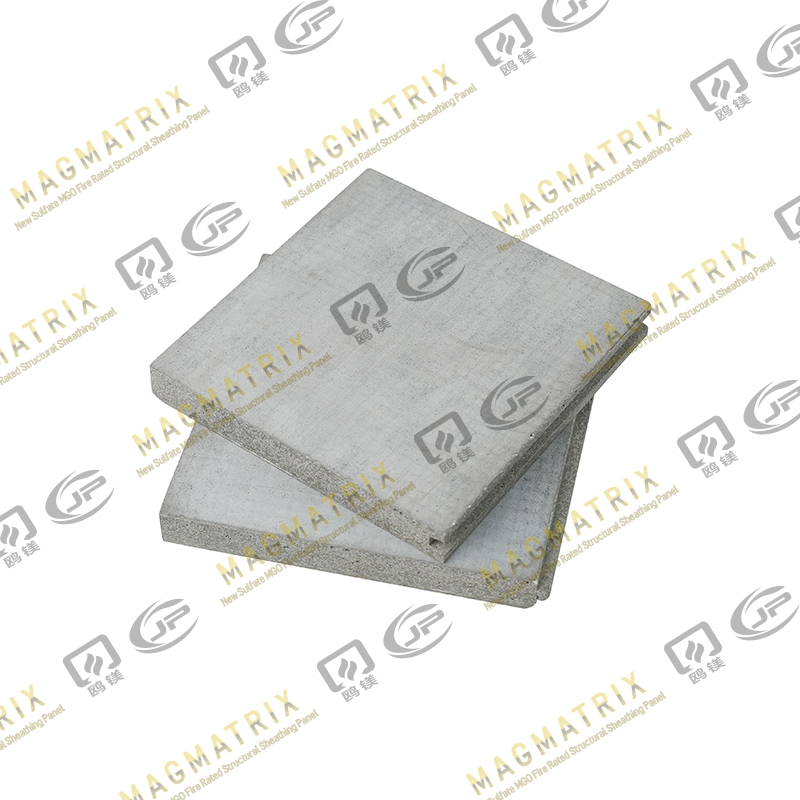 Perseverance MgO Subfloor Sheathing Board
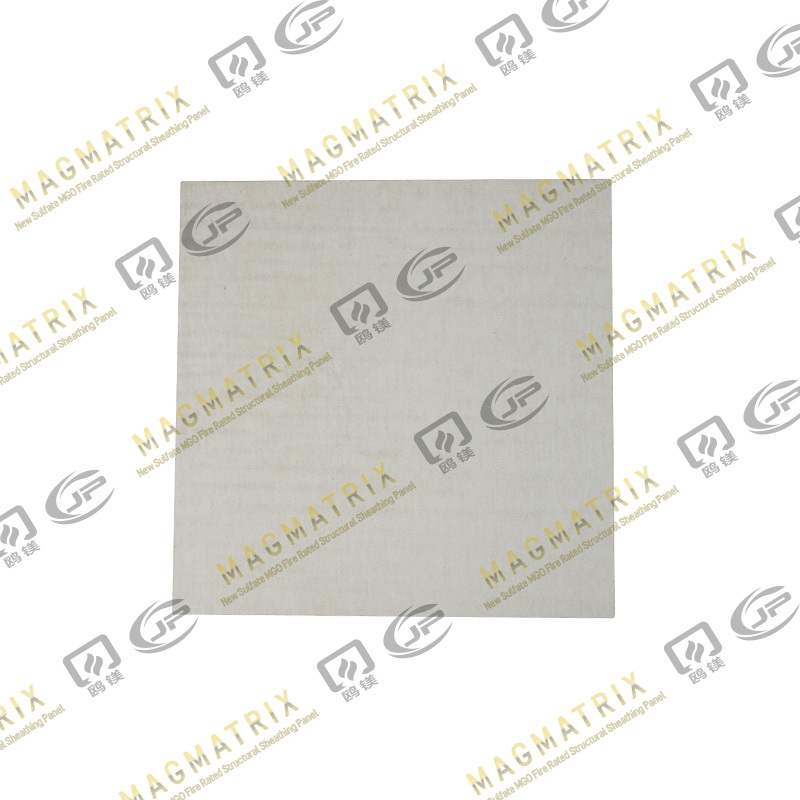 MagMatrix MgO Underlayment Panel/board